

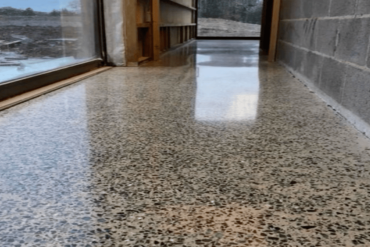
Top Terrazzo Crack Repair Methods Professionals Trust
There’s a point in every building’s life when the floor stops being background noise and starts telling a story. Sometimes that story is a whisper—a fine crack tracing its way through a once-glossy surface. Other times it’s a shout: a jagged fracture exposing decades of material beneath the polished veneer. Terrazzo floors have earned a reputation for durability, longevity, and the kind of retro-futuristic aesthetic that makes architects nostalgic and modern designers nod in approval. But even the toughest materials falter. And when terrazzo cracks, it becomes a test of both craftsmanship and technology.
Professionals understand this more than anyone. They know terrazzo is not just a floor—it’s a composite system, a living record of stone, cement, and structural behaviour. And they also know that repairing it requires more than a quick patch job. It requires a methodical, often tech-infused approach that restores structure, performance, and the uninterrupted beauty of polished terrazzo floors.
Welcome to the world of top terrazzo crack repair methods professionals trust, where craftsmanship meets engineering—and where companies like TerCon System are redefining what it means to bring old materials back to life.
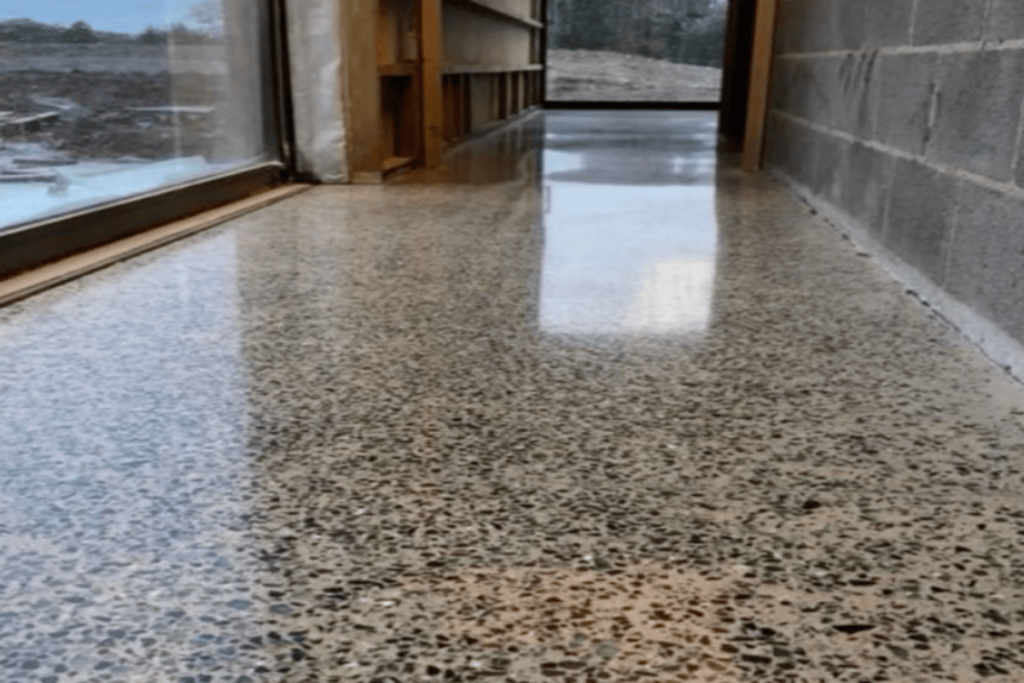
Why Terrazzo Cracks in the First Place
Before diving into the repair methods, it’s worth asking: why does a material known for its resilience crack at all?
The reasons are more computational than emotional:
- Structural movement: Buildings flex, expand, and shift. Terrazzo doesn’t always enjoy the ride.
- Age and wear: Decades of foot traffic eventually take their toll.
- Improper installation: A missing terrazzo divider strip, for example, can leave the floor vulnerable to stress fractures.
- Environmental changes: Moisture, temperature swings, and humidity fluctuations disrupt the matrix.
Professionals know that repairing terrazzo isn’t just about filling a void. It’s about understanding the physics behind it.
Method #1: Precision Crack Mapping and Structural Assessment
One thing seasoned terrazzo experts have learned: you don’t fix what you don’t fully understand.
The first step in terrazzo floor repairs is crack mapping, a technique that blends old-school inspection with new-school data. Think infrared imaging, moisture meters, and digital straightedges—tools that allow technicians to see beneath the surface and classify the crack by type: hairline, spider webbing, separation, or structural displacement.
This diagnostic phase also helps estimate the potential terrazzo floors cost associated with restoration. Depending on the severity, the terrazzo floor price for repairs varies widely—one of the reasons property owners seek out professionals who know how to distinguish cosmetic issues from deeper structural failures.
Companies like TerCon System and Services emphasise this step because skipping it is like trying to debug software without reading the error logs first.
Method #2: Epoxy Injection and Terrazzo Matrix Repair
When a crack threatens the structural integrity of the terrazzo, epoxy injection often becomes the hero of the narrative.
This method involves:
- Cleaning and widening the crack with high-precision tools
- Injecting a colour-matched epoxy resin into the void
- Rebuilding the terrazzo matrix with aggregate that mirrors the original
- Finishing the repair flush with the floor plane
Epoxy injection is celebrated among professionals because it restores both strength and aesthetics. The repaired area can withstand heavy traffic, temperature changes, and the occasional furniture rearrangement without reopening.
It’s the closest thing terrazzo professionals have to time travel—rewinding damage back to a point where the floor was whole.
Method #3: Terrazzo Grinding and Surface Levelling
Once cracks are structurally repaired, the floor transitions into the next phase: terrazzo grinding.
This is where the floor meets industrial-grade machinery—a choreography of diamond abrasives and high-torque grinders. The goal is simple but crucial: level out inconsistencies and blend repaired areas seamlessly into the surrounding surface.
Grinding terrazzo isn’t for the untrained. The machines are unforgiving, the process loud, and the margin for error razor-thin. Professionals rely on decades of practice and an almost intuitive feel for material tension and density.
The result? A perfectly even surface that sets the stage for full-scale terrazzo restoration.
Method #4: Polishing—The Final Transformation
If terrazzo grinding is the sculpting phase, polishing terrazzo floors is the reveal—akin to removing dust from a finished statue or polishing the lens on a telescope.
Professionals elevate terrazzo flooring polishing into an art form. Using progressively finer diamond tooling, they polish the surface until it achieves its trademark sheen. Some floors call for a matte finish. Others crave a reflective glow that makes the entire room feel more architectural.
The process includes:
- Buffing terrazzo floors to prep the surface
- Applying a specialised Polish for a terrazzo floor
- Using burnishers to lock in a durable, high-gloss finish
A fully polished terrazzo floor is more than shiny. It’s hardened, protected, and resistant to stains. It also unlocks the full beauty of the aggregates—chips of marble, quartz, or granite that now read like an astronomical map under the right light.
Method #5: Full-Scale Terrazzo Flooring Restoration for Aged Surfaces
Some floors don’t just crack—they deteriorate. For these cases, professionals employ terrazzo flooring restoration, a more intensive process that brings old, distressed terrazzo back to modern-day standards.
A full restoration may include:
- Removing old adhesives, coatings, or sealants
- Repairing multiple cracks and divots
- Restoring terrazzo floors through grinding, polishing, and sealing
- Reinstating the structural separation using new terrazzo divider strips when needed
This approach is an investment—but one that often pays off. In many commercial and heritage buildings, restoring terrazzo floor surfaces is cheaper and more sustainable than replacement. It preserves architectural integrity while improving performance, and professionals rely on it for historical preservation objectives.
The Aesthetic Payoff: Why People Fall in Love With Terrazzo Again
There’s something almost cyber-romantic about terrazzo. It’s old-world craftsmanship packaged in futuristic visual simplicity. When professionals restore terrazzo, the floor transforms from dull and fractured into something that feels intentionally designed and technically perfect.
From a practical standpoint, polishing terrazzo floor surfaces reduces maintenance needs, improves durability, and enhances longevity. From an aesthetic perspective, it revives the timeless, speckled beauty that made terrazzo an architectural favourite in the first place.
And today’s consumers are more informed than ever. They’re comparing restoration quotes, researching Cost for terrazzo flooring, and weighing the benefits of hiring a Terrazzo floor repair company like TerCon System—one that blends engineering precision with artistic sensibility.
Why Professionals Trust These Methods
The methods above aren’t just industry traditions—they’re evolving disciplines. Advances in materials science have improved epoxy formulations. Modern grinding machines use digital torque control. Polishing compounds have become more durable, sustainable, and slip-resistant.
Professionals trust these methods because:
- They offer predictable, repeatable results
- They preserve more material than replacement
- They achieve structural restoration with aesthetic continuity
- They improve long-term durability and lower maintenance costs
These repair techniques represent the intersection of craft and innovation. And in an industry where every millimetre counts, precision matters.
The Future of Terrazzo Repair: Smarter, Cleaner, More Connected
You can almost imagine a future where terrazzo repair is even more automated—where smart sensors embedded beneath floors monitor stress loads, humidity levels, and micro-movements, predicting cracks before they happen. A future where grinding machines use machine learning to adjust pressure on the fly, and polishing compounds are engineered with nanotechnology to resist wear indefinitely.
We’re not there yet. But the seeds have been planted. And companies like TerCon System are already leaning into modernisation, adopting tools and processes that make terrazzo restoration both more precise and more sustainable.
Final Thoughts: Restoring Terrazzo Is Restoring History
Terrazzo has survived centuries for a reason. It’s tough, elegant, and adaptable. But cracks are inevitable—much like the quirks in any engineered system. What matters is how they’re repaired.
Professionals trust methods that combine structural reinforcement, grinding, polishing, and full-scale restoration because they don’t just fix the floor—they revive it. They give terrazzo a second life, one that can outlast trends, tenants, and time itself.
And when the right team is behind the work, the repaired floor doesn’t show its scars. It simply stands there, quietly brilliant, ready for the next chapter.