

Prevent Costly Repairs: The Smart Way to Maintain Terrazzo Floors Long-Term
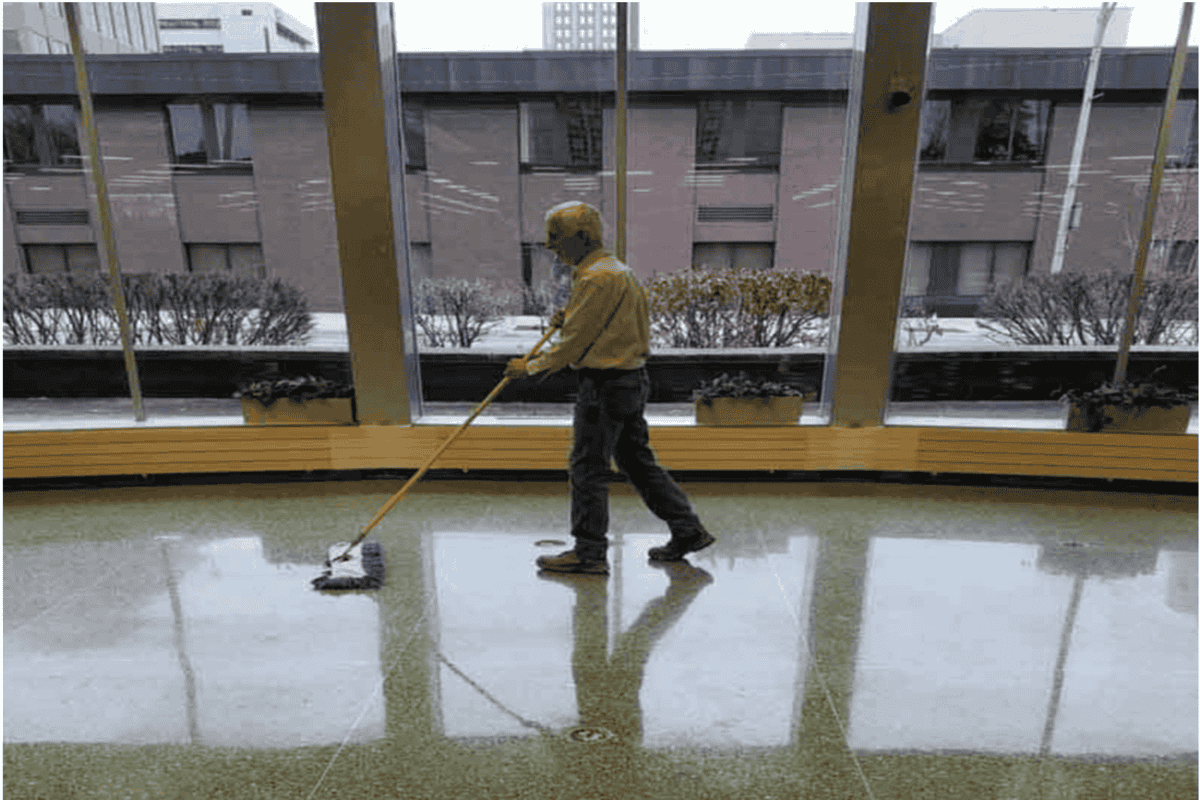
Many property owners only think about terrazzo floors when visible damage appears. Stains, dullness, or surface wear are often treated as cosmetic concerns rather than early warning signs of deeper issues. In reality, neglecting proper terrazzo maintenance can lead to structural deterioration that is far more expensive to fix later. Modern terrazzo restoration strategies focus on prevention, not just repair. With consistent care, including polishing terrazzo floors, grinding, and protective treatments, property owners can preserve both the appearance and structural integrity of their floors. A proactive approach not only extends the lifespan but also stabilises the overall price of terrazzo floors and avoids costly disruptions.
The Hidden Cost of Poor Terrazzo Maintenance
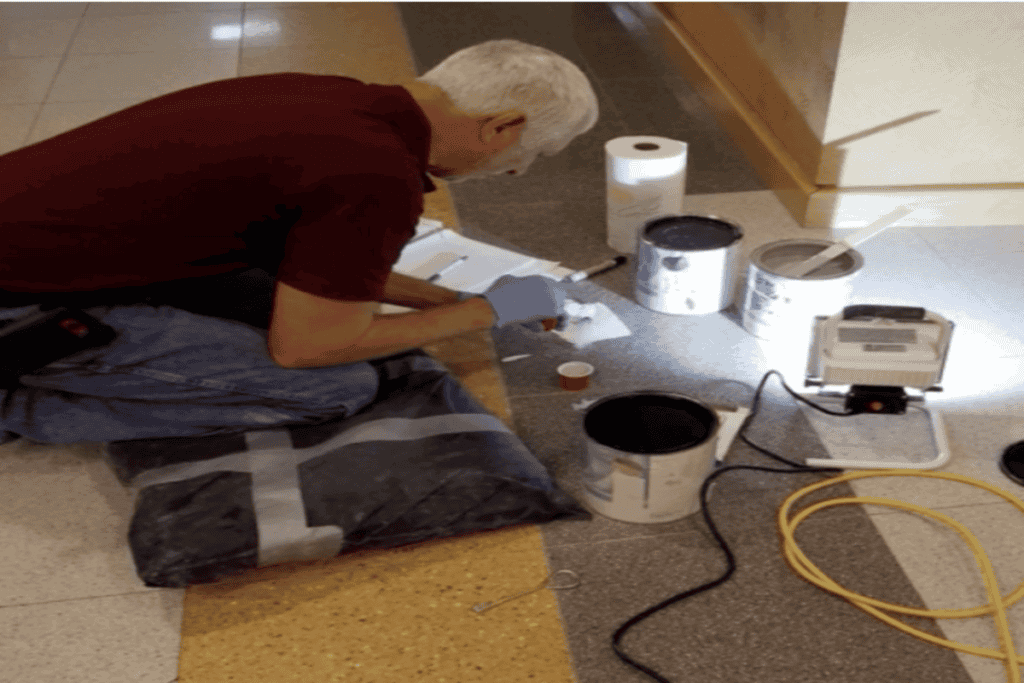
Terrazzo is widely recognised for its durability, but even the strongest flooring systems require consistent care. Without proper maintenance, everyday factors such as dirt buildup, moisture exposure, and incorrect cleaning methods slowly degrade the surface. Over time, these issues can compromise both appearance and structure.
Common problems caused by neglect include:
- Surface dullness and staining
- Gradual erosion of the finish
- Increased risk of cracks and chips
- Movement or misalignment near a terrazzo divider strip
These issues often begin at a microscopic level but can lead to visible damage if left untreated. Many property managers attempt quick fixes like buffing terrazzo floors, assuming it will restore shine and performance. While buffing may temporarily improve appearance, it does not address underlying structural wear.
Ignoring early warning signs leads to larger issues such as uneven surfaces, deep cracks, and costly terrazzo floor repairs. At this stage, restoring terrazzo floors becomes more complex and expensive. Instead of minor upkeep, property owners are forced into full-scale terrazzo restoration, which significantly increases the overall cost for terrazzo flooring.
Grinding and Polishing as Preventive Maintenance
Routine grinding and polishing terrazzo floors are essential components of a long-term maintenance strategy. These processes are not just for restoring damaged floors but are critical for preventing damage in the first place.
Terrazzo grinding removes surface imperfections such as scratches, stains, and uneven areas. It also helps maintain a level surface, which is important for both safety and durability. Small defects that are ignored can expand over time, leading to structural issues that require extensive terrazzo repair.
Preventive grinding offers several benefits:
- Maintains a smooth and even surface
- Eliminates minor damage before it worsens
- Preserves the integrity of the terrazzo layer
- Prepares the floor for effective polishing
Following grinding, terrazzo flooring polishing restores the natural shine and enhances the visual appeal of the surface. More importantly, polishing reduces porosity, making the floor more resistant to moisture, stains, and wear.
Well-maintained, polished terrazzo floors are easier to clean and maintain over time. Using the right polish for terrazzo floor applications ensures that the finish remains durable and long-lasting.
Regular grinding and polishing reduce the need for large-scale terrazzo flooring restoration projects. This helps maintain predictable maintenance costs and prevents sudden increases in terrazzo floor price due to unexpected repairs.
The Role of Stone Hardening in Floor Protection
While grinding and polishing address surface conditions, stone hardening provides deeper structural protection. This treatment strengthens terrazzo at a molecular level, improving its durability and resistance to wear.
Stone hardening works by penetrating the surface and reacting with the material to increase density. This creates a stronger, more resilient floor that can withstand heavy traffic and environmental stress.
Key benefits include:
- Improved resistance to wear and abrasion
- Reduced moisture absorption
- Increased durability in high-traffic areas
- Longer-lasting shine without frequent buffing
In commercial environments such as airports, retail spaces, and hospitals, floors are exposed to constant use. Without proper reinforcement, even well-maintained surfaces can deteriorate over time.
Stone hardening supports a comprehensive terrazzo maintenance plan by reinforcing the structure before damage occurs. It works alongside polishing terrazzo floors to deliver both aesthetic and functional improvements.
For property owners looking to restore terrazzo while preventing future issues, this treatment is a critical investment. It ensures that maintenance efforts deliver long-term results rather than short-term fixes.
Cost Efficiency of Preventive Maintenance
Preventive care is significantly more cost-effective than reactive repairs. Many property owners underestimate how quickly minor issues can escalate into major problems when left unaddressed.
Common costs associated with neglect include:
- Extensive structural repairs
- Full terrazzo restoration projects
- Replacement of damaged sections
- Business downtime during repairs
These costs not only impact budgets but also disrupt operations, especially in commercial settings. In contrast, regular maintenance spreads expenses over time, making them more manageable and predictable.
When evaluating the cost of terrazzo floors, it is important to consider the entire lifecycle of the flooring system. Initial installation is only one part of the equation. Ongoing care plays a major role in determining long-term value.
A proactive strategy that includes grinding terrazzo, polishing, and protective treatments helps avoid sudden spikes in cost for terrazzo flooring. It also reduces the need for emergency terrazzo repair services.
Working with a professional terrazzo floor repair company ensures that maintenance is performed correctly and consistently. This minimises risk and maximises return on investment.
Building a Long-Term Terrazzo Maintenance Plan
A structured maintenance plan is essential for preserving both the appearance and performance of terrazzo flooring. Without a clear strategy, maintenance becomes reactive rather than preventative.
An effective plan typically includes:
- Routine cleaning using appropriate, non-abrasive products
- Scheduled terrazzo grinding for surface levelling
- Periodic polishing of terrazzo floors to maintain shine
- Application of protective treatments, such as stone hardening
- Regular inspections by a terrazzo floor repair company
Consistency is key. Even high-quality materials will degrade without proper care. Regular inspections help identify early signs of wear, allowing for timely intervention before issues escalate.
A proactive approach ensures that restoring terrazzo floors is only required when necessary, rather than as a response to neglect. It also helps maintain the original look and functionality of the flooring system.
For property owners managing large facilities, a long-term maintenance plan provides clarity, cost control, and peace of mind.
FAQ Section
Q: How often should terrazzo floors be maintained?
A: Maintenance frequency depends on foot traffic, but regular cleaning and periodic polishing of terrazzo floors are essential to preserve quality and durability.
Q: Is polishing terrazzo floors necessary if there is no visible damage?
A: Yes, polishing protects the surface, reduces porosity, and helps prevent future damage even when floors appear in good condition.
Q: What is the role of grinding terrazzo in maintenance?
A: Grinding terrazzo removes minor imperfections and keeps the surface level, preventing long-term structural issues and reducing the need for major repairs.
Q: Does maintenance reduce the overall terrazzo floor price?
A: Yes, preventative maintenance lowers long-term costs by minimising the need for extensive terrazzo repair or replacement.
Q: Should I hire a terrazzo floor repair company for maintenance?
A: Professional services ensure proper care, accurate assessments, and early detection of issues before they become costly problems.
Conclusion and CTA
Terrazzo floors are built for durability, but their longevity depends on proper care. A proactive maintenance strategy that includes grinding, polishing, and structural reinforcement protects your investment and prevents costly repairs.
If your floors are showing signs of wear or you want to implement a long-term maintenance plan, now is the time to act. Work with experienced professionals to restore terrazzo and maintain its performance for years to come.