

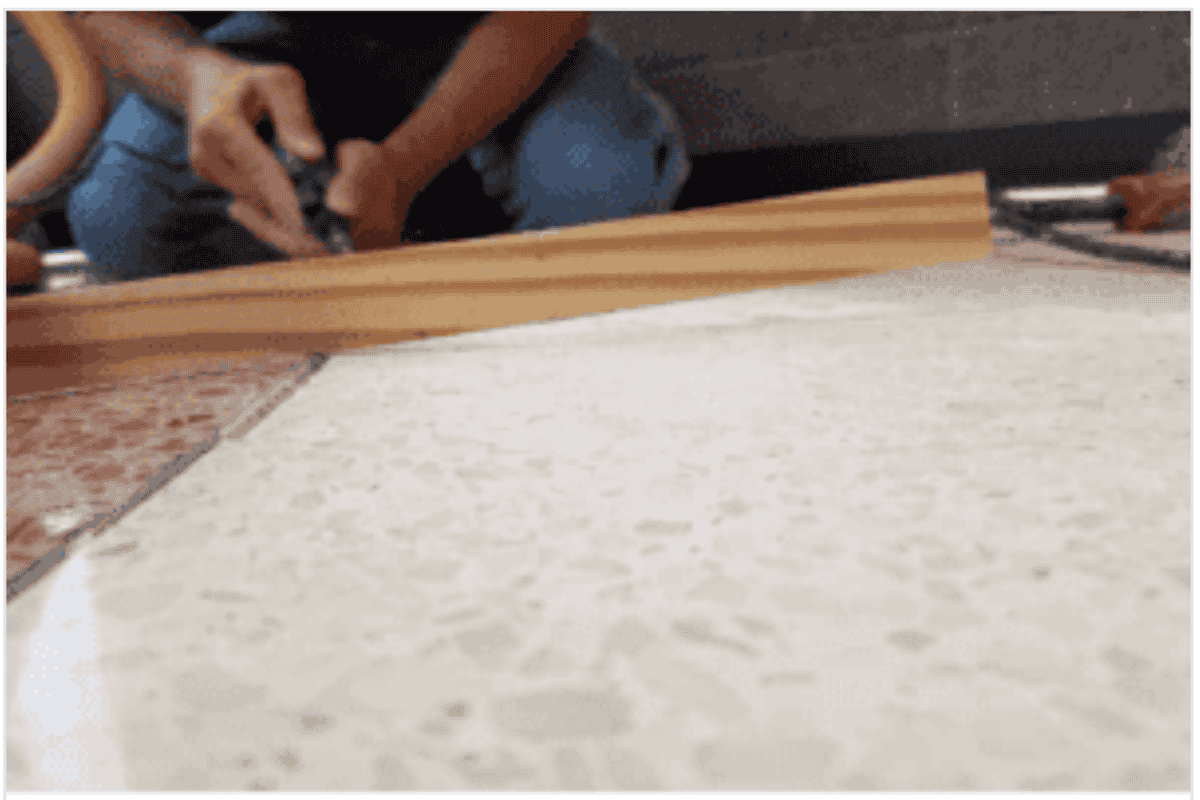
Terrazzo as a Long-Term Asset: Why Smart Property Owners Invest in Restoration Instead of Replacement
In commercial real estate and property management, every decision impacts long-term asset value. Flooring is often treated as a maintenance expense, but in reality, it plays a significant role in property perception, durability, and lifecycle costs. Terrazzo, in particular, is not just a surface. It is a long-term asset. Understanding terrazzo floors’ costs, knowing when to invest in terrazzo repair, and choosing between restoring terrazzo floors and replacing them can directly influence the return on investment. Instead of viewing terrazzo flooring as a liability, smart property owners treat it as a strategic asset that can be enhanced through proper restoration and polishing.
Terrazzo Flooring as a Capital Asset, Not an Expense
Most building owners categorise flooring under operational costs. However, terrazzo is different from typical materials like vinyl or carpet. It is designed to last for decades, making it more aligned with capital investment rather than short-term expense.
Unlike disposable flooring systems:
- Terrazzo can be restored multiple times
- Its structural base often remains intact for decades
- It retains value through proper maintenance and care
This shifts the conversation from “cost for terrazzo flooring” to long-term asset optimisation. A well-maintained terrazzo floor contributes to property valuation, tenant satisfaction, and reduced lifecycle costs.
When floors are neglected, however, the terrazzo floor price increases dramatically due to the need for large-scale repairs or replacement. This is why proactive investment in terrazzo flooring restoration is critical.
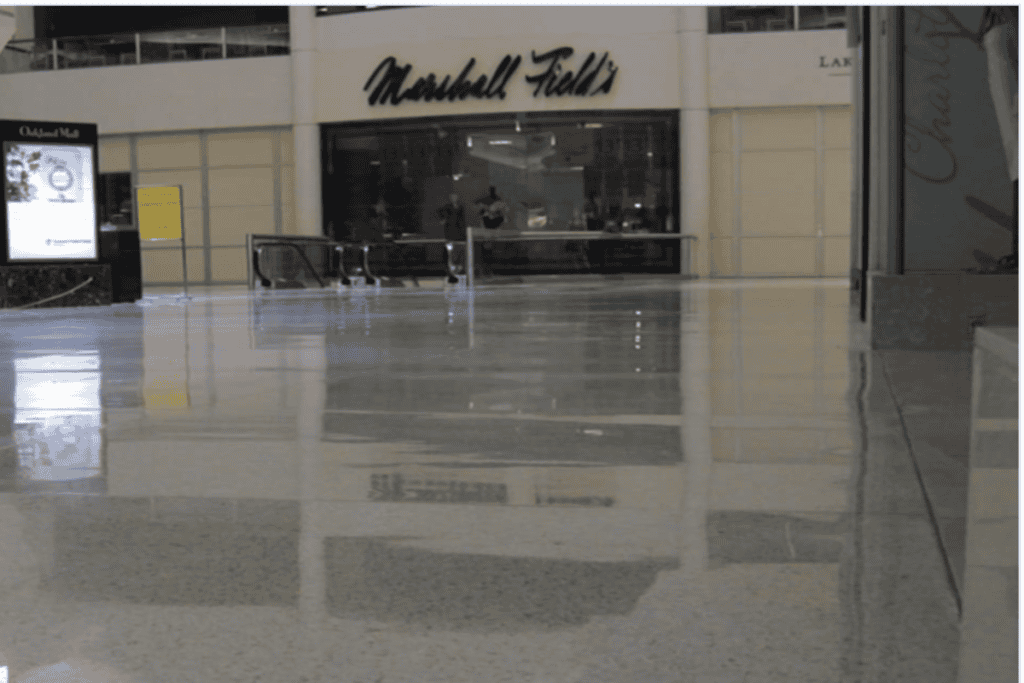
How Poor Decisions Increase Terrazzo Floors’ Cost Over Time
Many costly mistakes come from short-term thinking. Property owners often delay maintenance or choose quick fixes that do not address underlying issues.
Common mistakes include:
- Relying only on buffing terrazzo floors for visual improvement
- Ignoring minor cracks or surface wear
- Using improper cleaning methods that degrade the finish
- Delaying professional inspection from a terrazzo floor repair company
These decisions may reduce immediate expenses but significantly increase long-term costs. Small defects can expand into structural damage, requiring extensive terrazzo repair or complete replacement.
For example, damage around a terrazzo divider strip can indicate movement beneath the surface. If left untreated, it can compromise entire sections of flooring.
In contrast, investing early in grinding terrazzo and polishing terrazzo floors ensures issues are addressed before they escalate.
Restoration vs Replacement: A Financial Perspective
One of the most important decisions property owners face is whether to restore terrazzo or replace it entirely.
Restoration Advantages
- Lower upfront cost compared to replacement
- Minimal disruption to business operations
- Retains original material and design
- Extends lifespan by decades
Replacement Disadvantages
- High terrazzo floors cost due to demolition and installation
- Significant downtime for commercial properties
- Loss of original craftsmanship and design
In most cases, restoring terrazzo floor systems provides a higher return on investment. Even heavily worn floors can be revived through terrazzo grinding, polishing, and repair.
From a financial standpoint, terrazzo restoration is not just a maintenance activity. It is an asset preservation strategy.
The Role of Grinding and Polishing in Value Retention
Routine terrazzo grinding and polishing of terrazzo floors are essential for maintaining asset value.
Grinding terrazzo removes surface damage and restores a level foundation. It eliminates imperfections that can worsen over time, such as scratches, stains, and uneven wear.
After grinding, polishing terrazzo floor surfaces enhances both appearance and durability. A properly polished surface is:
- More resistant to moisture and stains
- Easier to clean and maintain
- Visually appealing for tenants and visitors
Using the right polish for terrazzo floor applications ensures long-term performance. High-quality terrazzo flooring polishing also reduces the need for frequent repairs.
Well-maintained, polished terrazzo floors contribute to a building’s overall aesthetic and perceived value, which is especially important in commercial environments.
Why Preventive Investment Beats Reactive Spending
Property owners often focus on immediate costs instead of long-term savings. However, preventative investment consistently outperforms reactive spending.
Reactive approach:
- Wait for visible damage
- Perform emergency terrazzo repair
- Pay higher labour and material costs
- Experience operational downtime
Preventative approach:
- Schedule regular inspections
- Perform grinding of terrazzo when needed
- Maintain surfaces through polishing terrazzo floors
- Apply protective treatments
The difference is not just cost. It is predictability. Preventive care allows property managers to budget effectively and avoid unexpected expenses.
Over time, this approach significantly reduces the total cost for terrazzo flooring while maintaining consistent performance.
Working with the Right Terrazzo Floor Repair Company
Choosing the right partner is critical when treating terrazzo as an asset. A qualified terrazzo floor repair company does more than fix problems. They help protect long-term value.
Key qualities to look for include:
- Experience in terrazzo flooring restoration
- Advanced grinding, terrazzo and polishing techniques
- Ability to assess structural issues, not just surface damage
- Focus on long-term solutions rather than quick fixes
A professional team will guide when to restore terrazzo, when to repair, and how to maintain it effectively.
This ensures that every dollar spent contributes to long-term asset performance rather than temporary improvements.
Extending the Lifecycle of Terrazzo Floors
The true value of terrazzo lies in its longevity. With proper care, terrazzo floors can last 40 to 100 years or more.
To maximise lifespan:
- Address minor issues early
- Avoid harsh cleaning chemicals
- Schedule regular polishing of terrazzo floors
- Monitor high-traffic areas for wear
- Invest in professional terrazzo flooring restoration when needed
Restoring terrazzo floors is not just about aesthetics. It is about preserving structural integrity and extending usable life.
This makes terrazzo one of the most sustainable and cost-effective flooring options available when managed correctly.
FAQ Section
Q: Is terrazzo flooring considered a long-term investment?
A: Yes, with proper care, terrazzo floors can last decades, making them a valuable asset rather than a short-term expense.
Q: How can I reduce the cost of terrazzo floors over time?
A: Preventive maintenance, such as grinding terrazzo and polishing terrazzo floors, helps avoid expensive repairs.
Q: When should I restore terrazzo instead of replacing it?
A: If the structure is intact, restoring terrazzo floors is usually more cost-effective than replacement.
Q: What role does polishing terrazzo floors play in asset value?
A: Polishing enhances durability, appearance, and long-term performance, helping maintain property value.
Q: Why hire a terrazzo floor repair company?
A: Professionals ensure proper assessment, high-quality work, and long-lasting results.
Conclusion
Terrazzo should not be viewed as a short-term expense. It is a long-term asset that, when properly maintained, delivers exceptional value over time.
Understanding terrazzo floors’ cost, investing in terrazzo repair when needed, and prioritising terrazzo restoration over replacement can significantly improve return on investment. Through consistent grinding and polishing terrazzo floors, property owners can maintain both performance and appearance for decades.
If you are managing a property with terrazzo flooring, the smartest move is to treat it like an asset. With the right strategy and the right terrazzo floor repair company, you can restore terrazzo efficiently and protect its value for the long term.