

The Hidden Life of Terrazzo: Why Old Floors Often Deserve Restoration Before Replacement
Terrazzo floors are often judged by what people see on the surface. If the floor looks dull, cracked, stained, or uneven, many property owners quickly assume it has reached the end of its life. Replacement starts to feel like the obvious answer. However, terrazzo is not like many other flooring systems. What looks worn out may still have decades of useful life left beneath the surface.
This is where the conversation around the cost of terrazzo floors becomes more important. The real question is not always, “How much does a new floor cost?” A better question is, “How much value is still sitting inside the existing floor?”
In many older commercial buildings, schools, hotels, hospitals, shopping centres, offices, and public spaces, terrazzo is part of the building’s identity. It may contain original patterns, unique stone aggregates, custom colours, or a terrazzo divider strip layout that would be difficult and expensive to recreate today. Before removing it, property owners should understand what restoration can still achieve.
Why Terrazzo Replacement Is Not Always the Best First Option
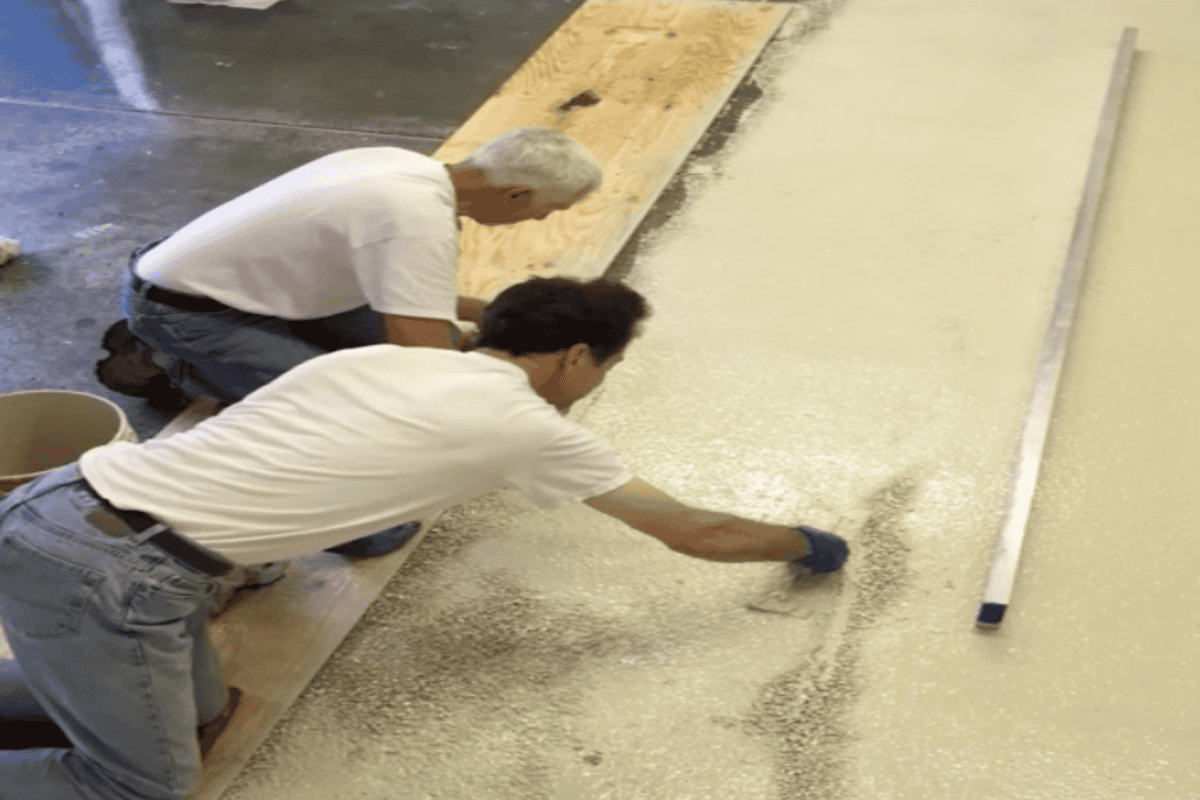
When a terrazzo floor looks badly worn, replacement can seem like the cleanest solution. However, full replacement is often costly, messy, and disruptive. It may involve removing the old floor, disposing of materials, preparing the substrate, installing a new flooring system, and waiting for the new surface to cure or settle before full use.
This process can interrupt business operations, especially in busy buildings where downtime affects staff, customers, patients, tenants, or visitors. For many properties, terrazzo repair and terrazzo restoration may offer a more practical solution.
A skilled Terrazzo floor repair company can inspect the floor and determine if the existing surface can be restored. If the floor is structurally sound, restoration may bring back its appearance, correct surface defects, and extend its life without full removal.
The Floor Beneath the Damage
One of the most unusual things about terrazzo is that surface damage does not always mean permanent failure. Dullness, scratches, stains, and old coatings often sit on the upper surface. Through grinding, honing, and polishing, much of this damage can be removed.
Terrazzo grinding carefully cuts back the worn layer and exposes a cleaner surface underneath. This is not the same as ordinary cleaning. It is a controlled process that removes damage and prepares the floor for refinement.
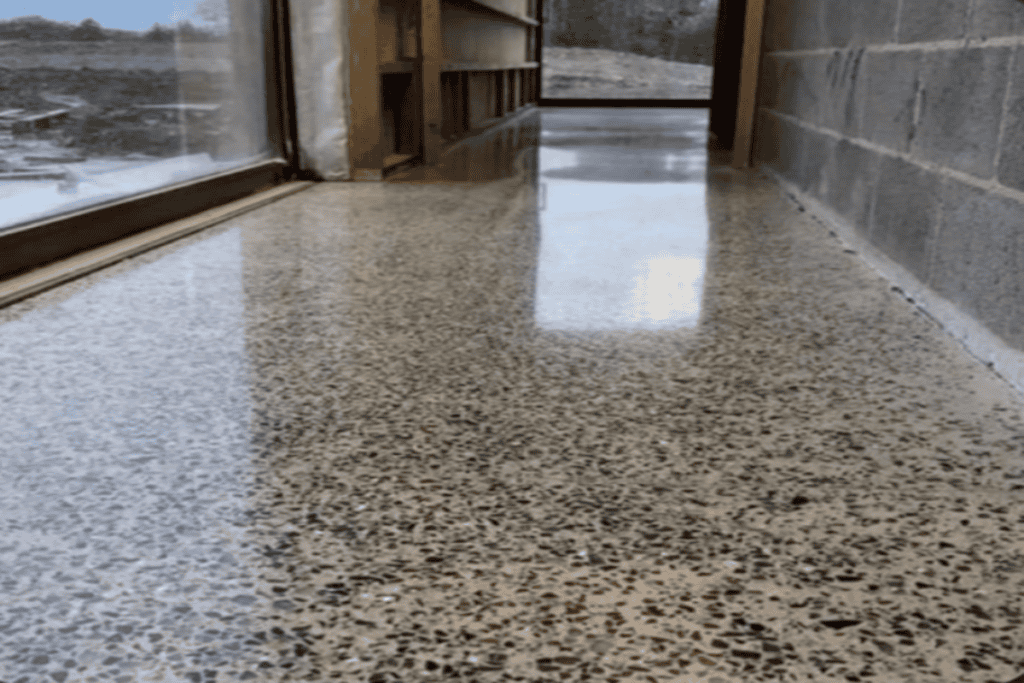
Once the grinding stage is complete, the floor can be honed and polished. Polishing terrazzo floors helps bring out the natural beauty of the stone, glass, marble, or other aggregates inside the floor. In many cases, a floor that looked tired and outdated can become a strong design feature again.
What Makes Old Terrazzo Worth Saving?
Older terrazzo floors often have a character that modern replacement floors cannot easily copy. The aggregate mix may be unique. The colour may reflect a specific period of architecture. The terrazzo divider strip layout may form patterns that are no longer common.
Restoring terrazzo floors can preserve this character while improving the surface condition. This matters in heritage buildings, older public spaces, schools, churches, airports, theatres, and commercial properties where the floor is part of the building’s original design.
Replacement may remove that history completely. Restoration keeps the floor’s identity while making it cleaner, safer, and more functional.
Understanding Terrazzo Floors Cost in a Smarter Way
When property owners ask about the cost of terrazzo floors, they often want a simple figure. However, the cost depends on the condition of the existing floor and the work required.
The terrazzo floor restoration price may be affected by the area size, scratch depth, number of cracks, stain type, required shine level, divider strip condition, and whether patching is needed.
The cost of terrazzo flooring can be much higher if replacement is chosen too quickly. Full replacement may require demolition, disposal, new materials, installation labour, and downtime. Restoration can often avoid many of these costs.
This does not mean restoration is always cheap. Quality terrazzo repair, terrazzo grinding, and terrazzo flooring polishing require skill and proper equipment. However, restoration can often provide better long-term value when the floor is still suitable to be saved.
When Terrazzo Repair Becomes the Smarter Move
Terrazzo repair is useful when the damage is localised or when the floor has specific problem areas. This may include cracks, chips, holes, stains, loose sections, or damaged divider strips.
Cracks should be inspected carefully. Some cracks are surface-level, while others may point to movement beneath the floor. A professional repair should not simply cover the crack. It should consider why the crack appeared.
Chips and missing areas may be patched with compatible materials. The goal is to blend the repair as closely as possible with the existing floor. This can be challenging with older terrazzo, especially if the original aggregates are no longer available.
A damaged terrazzo divider strip may also need attention. Since divider strips help separate sections and support the visual layout, repairing them can improve both appearance and performance.
Grinding Terrazzo Before Polishing
A common mistake is trying to apply terrazzo polish over a damaged floor. If the surface has scratches, stains, coatings, or uneven wear, polish alone may not solve the problem.
Grinding terrazzo is often the first major step in deeper restoration. It removes worn layers, old sealers, surface damage, and minor uneven areas. After this, the floor is honed with finer abrasives before polishing terrazzo floor surfaces.
Terrazzo grinding needs to be done carefully. Removing too much material can damage the floor. Removing too little may leave defects behind. This is why experience matters.
A proper restoration process does not chase shine first. It prepares the floor correctly, then builds the finish through careful polishing.
Buffing Terrazzo Floors Is Not the Same as Restoration
Buffing terrazzo floors can be helpful when the floor is already in good condition. It can refresh the shine and remove light surface marks. However, buffing has limits.
Buffing cannot fix deep cracks. It cannot remove serious stains. It cannot repair chips or level uneven areas. It cannot restore badly worn floors on its own.
If the floor has years of neglect, full terrazzo flooring restoration may be needed. This may involve cleaning, repairs, grinding, honing, polishing, and sealing. The right method depends on the actual condition of the floor.
Using buffing when restoration is needed may only create a short-term improvement. The floor may look better for a while, but the deeper issues remain.
The Problem With Covering Terrazzo Instead of Restoring It
Some property owners choose to cover old terrazzo with carpet, vinyl, tile, or another flooring system. This may seem like a quick update, but it can create problems.
Covering terrazzo can trap moisture. Adhesives may damage the surface. Future removal may become difficult and expensive. In some cases, the new floor may fail because the existing surface was not properly assessed.
More importantly, covering terrazzo can hide a valuable floor that could have been restored. Years later, when the covering is removed, the original terrazzo may still be there, but with added adhesive damage, stains, or surface contamination.
Before covering terrazzo, it is worth asking a Terrazzo floor repair company whether restoration is possible.
Why Polished Terrazzo Floors Add Long-Term Value
Polished terrazzo floors offer a clean, durable, and professional finish. They can suit both older and modern spaces. Unlike some floor coverings that need regular replacement, terrazzo can often be maintained and restored over time.
Polished terrazzo floors are also easier to clean when maintained correctly. Dust, dirt, and spills are easier to manage on a smooth, properly finished surface. This can be helpful in commercial and public spaces where cleanliness matters.
A good Polish for terrazzo floor surfaces should enhance the actual material rather than simply coat it. Mechanical polishing can create a long-lasting finish when combined with correct maintenance.
When Restoration May Not Be Enough
Although restoration is often a smart option, it is not always the right answer. Some floors may be too badly damaged, unstable, contaminated, or structurally compromised. In these cases, replacement may be necessary.
This is why inspection matters. A professional should assess the condition of the surface, substrate, cracks, moisture issues, and previous repairs before recommending a solution.
The goal is not to restore every floor at all costs. The goal is to choose the option that offers the best long-term result.
FAQ Section
Q: Is old terrazzo worth restoring?
A: Yes, many old terrazzo floors are worth restoring if the structure is still sound and the surface damage can be corrected.
Q: Is terrazzo restoration cheaper than replacement?
A: In many cases, terrazzo restoration can be more cost-effective than replacement because it avoids demolition, disposal, and full new installation.
Q: What does terrazzo grinding do?
A: Terrazzo grinding removes damaged surface layers, old coatings, scratches, stains, and minor uneven areas before polishing.
Q: Can terrazzo repair fix cracks and chips?
A: Yes, terrazzo repair can often fix cracks, chips, and small missing areas, but the cause of the damage should be assessed first.
Q: Is buffing terrazzo floors enough for old floors?
A: Buffing terrazzo floors may help with light dullness, but older or badly worn floors may need full terrazzo flooring restoration.
Q: What is the role of a terrazzo divider strip?
A: A terrazzo divider strip separates sections of the floor and helps maintain the design layout and installation structure.
Q: Can polished terrazzo floors look modern?
A: Yes, polished terrazzo floors can look modern, clean, and high-end when properly restored and maintained.
Q: When should I contact a Terrazzo floor repair company?
A: Contact a Terrazzo floor repair company when you notice cracks, stains, dullness, damaged divider strips, uneven areas, or worn polish.
Conclusion
Old terrazzo floors should not be written off too quickly. What looks worn, dull, or outdated may still have strong value beneath the surface. With the right terrazzo repair, terrazzo grinding, polishing, and terrazzo restoration, many floors can be brought back to life without full replacement.
For property owners comparing terrazzo floors cost, terrazzo floor price, and the Cost for terrazzo flooring, restoration deserves serious consideration. It can preserve original design, reduce disruption, and extend the life of a floor that may still have decades to give.
A terrazzo floor is not always finished just because it looks tired. Sometimes, it is simply waiting to be uncovered again.