

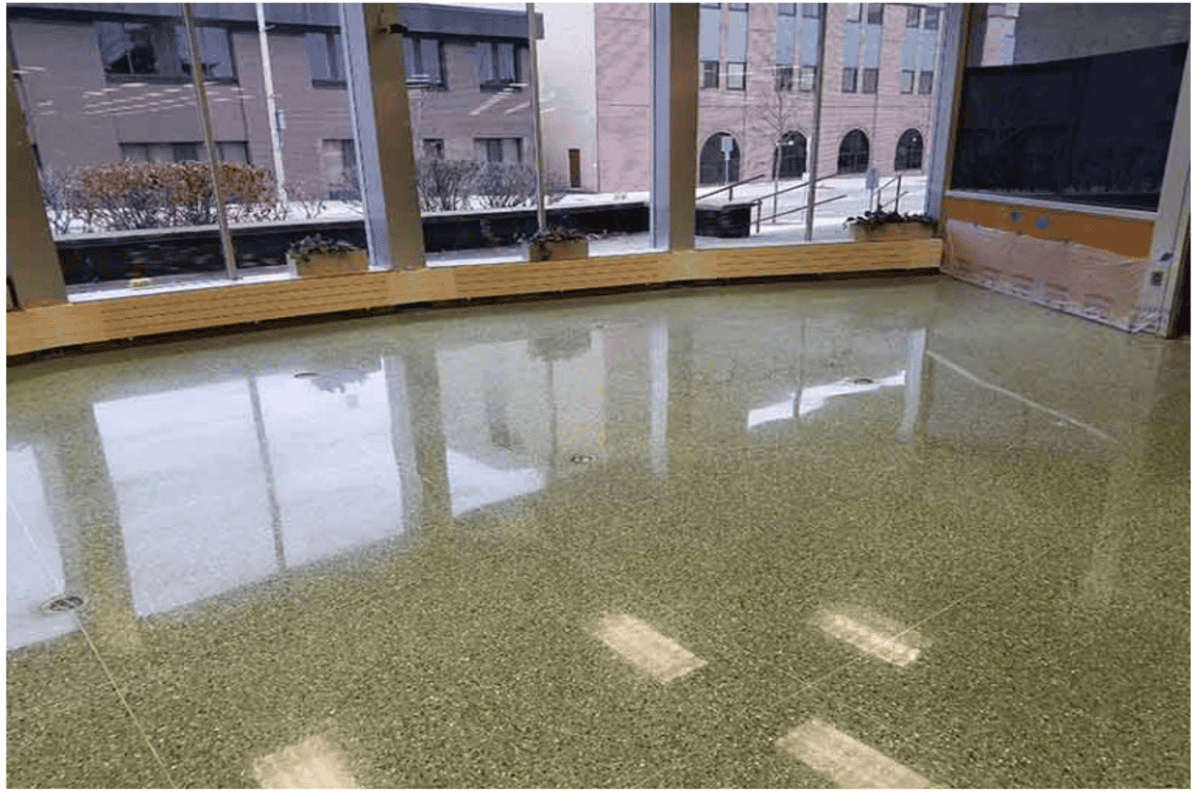
Slip Risks, Liability, and Terrazzo Floors: What Property Owners Must Know to Stay Compliant
Slip-and-fall incidents are one of the most common causes of liability claims in commercial properties. While many factors contribute to these accidents, flooring condition plays a critical role. Terrazzo floors, when properly maintained, offer durability and aesthetic appeal, but neglect can increase safety risks. Issues such as worn finishes, improper polishing of terrazzo floors, or uneven surfaces can create hazardous conditions. Understanding how terrazzo maintenance, terrazzo repair, and proper surface treatments impact safety is essential for reducing risk, controlling terrazzo floors cost, and ensuring compliance with safety standards.
Why Flooring Condition Impacts Liability
Property owners and facility managers are legally responsible for maintaining safe environments. Flooring is one of the most scrutinised elements during safety inspections and liability cases.
Key risk factors include:
- Slippery surfaces due to improper terrazzo polish
- Uneven flooring caused by a lack of grinding of terrazzo
- Cracks and chips requiring terrazzo floor repairs
- Poor maintenance around the terrazzo divider strip areas
When these issues are ignored, they can lead to accidents that result in:
- Legal claims and lawsuits
- Increased insurance premiums
- Damage to business reputation
- Operational disruptions
In many cases, these risks could have been avoided through proper terrazzo restoration and preventative maintenance.
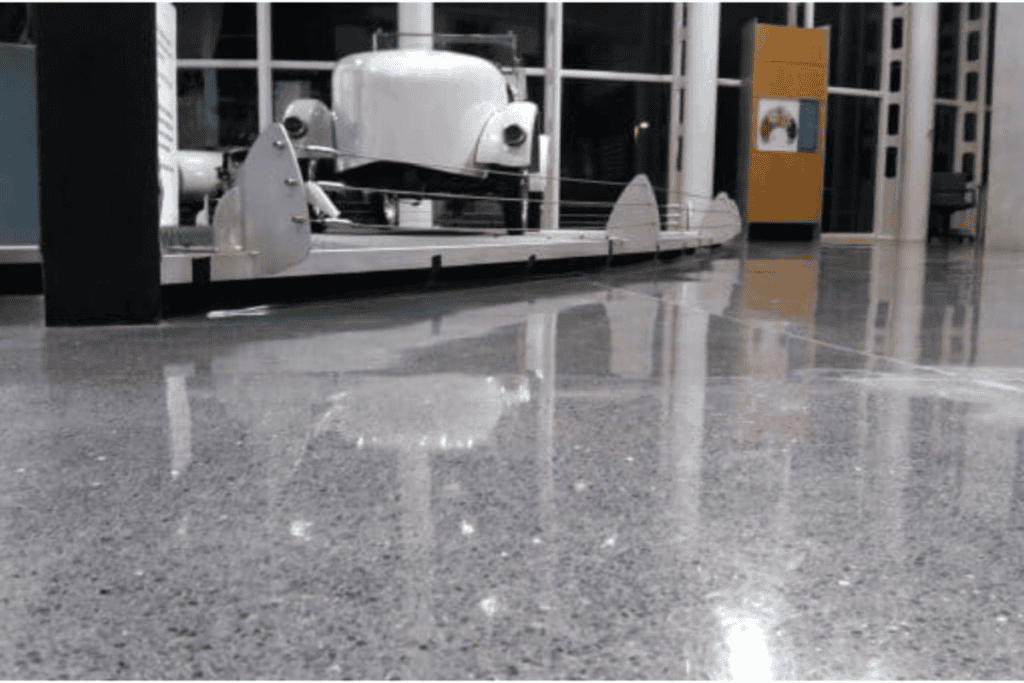
How Improper Polishing Can Increase Slip Risk
Polishing terrazzo floors is essential for maintaining appearance and durability, but when done incorrectly, it can increase slip hazards.
Over-polishing or using the wrong polish for terrazzo floor surfaces can create:
- Excessively smooth finishes with reduced traction
- Uneven shine levels that affect visibility
- Residue buildup that becomes slippery when wet
Proper terrazzo flooring polishing should balance shine with safety. A professional terrazzo floor repair company understands how to achieve the right finish without compromising traction.
Maintaining polished terrazzo floors is not just about aesthetics. It is about ensuring safe conditions for employees, customers, and visitors.
The Role of Grinding Terrazzo in Surface Safety
Terrazzo grinding is not only a restoration technique but also a safety measure. Over time, floors develop uneven areas, scratches, and wear patterns that can increase trip hazards.
Grinding terrazzo helps:
- Level uneven surfaces
- Remove deep scratches and defects
- Restore consistent traction across the floor
Without proper grinding, surface irregularities can worsen, increasing both safety risks and terrazzo floors’ cost due to future repairs.
Regular grinding of terrazzo as part of maintenance ensures that floors remain safe and compliant with safety standards.
Cracks, Chips, and Structural Hazards
Small cracks and chips may seem insignificant, but they can quickly become serious hazards. These issues often indicate deeper structural problems that require immediate attention.
Common causes include:
- Subfloor movement
- Moisture penetration
- Heavy foot traffic and load stress
Damage near a terrazzo divider strip is particularly concerning, as it may signal separation between sections of the floor.
Ignoring these problems can lead to:
- Trip hazards
- Expansion of cracks
- Costly terrazzo repair or replacement
Early intervention through terrazzo flooring restoration helps prevent these risks from escalating.
Cost of Neglect vs Cost of Prevention
Many property owners delay maintenance to save money, but this often leads to higher expenses over time.
Cost of Neglect
- Emergency terrazzo repair
- Increased terrazzo floor price due to severe damage
- Legal and insurance costs from accidents
- Business downtime
Cost of Prevention
- Scheduled grinding of terrazzo
- Routine polishing of terrazzo floors
- Minor repairs before issues escalate
- Regular inspections by professionals
When evaluating the cost of terrazzo flooring, it is important to consider not just repair expenses but also liability risks. Preventive care is always more cost-effective than dealing with accidents and lawsuits.
Compliance and Industry Standards
Different industries have specific safety requirements for flooring, especially in high-traffic environments such as:
- Hospitals
- Airports
- Retail centers
- Schools
Maintaining compliance involves:
- Ensuring proper traction levels
- Keeping surfaces level and free of hazards
- Performing regular inspections and maintenance
Failure to meet these standards can result in penalties, increased liability, and reputational damage.
Working with a professional terrazzo floor repair company ensures that maintenance practices align with industry requirements.
Building a Safety-Focused Terrazzo Maintenance Plan
A safety-focused approach to terrazzo maintenance goes beyond appearance. It prioritises risk reduction and compliance.
An effective plan should include:
- Routine cleaning with appropriate products
- Scheduled terrazzo grinding for surface levelling
- Controlled polishing of terrazzo floors to maintain traction
- Immediate repair of cracks and chips
- Regular professional inspections
This proactive strategy helps property owners maintain safe environments while controlling the cost of terrazzo floors.
FAQ Section
Q: Are polished terrazzo floors slippery?
A: When properly maintained, polished terrazzo floors can be safe, but improper polishing may increase slip risk.
Q: How does terrazzo grinding improve safety?
A: It levels uneven surfaces and removes defects that can cause trips or slips.
Q: When should cracks in terrazzo be repaired?
A: Immediately, as they can expand and create safety hazards.
Q: Does maintenance reduce liability risks?
A: Yes, regular maintenance helps prevent accidents and ensures compliance with safety standards.
Q: Should I hire a terrazzo floor repair company for safety checks?
A: Yes, professionals can assess risks and ensure your floors meet safety requirements.
Conclusion
Terrazzo floors are durable and visually appealing, but their condition directly impacts safety and liability. Ignoring maintenance can lead to accidents, legal issues, and increased costs.
By investing in proper terrazzo repair, grinding terrazzo, and polishing terrazzo floors, property owners can reduce risk and ensure compliance. A proactive approach not only protects people but also preserves the long-term value of the flooring system.
If your terrazzo floors show signs of wear or unevenness, now is the time to act. Partnering with a qualified terrazzo floor repair company can help you restore terrazzo safely and efficiently while minimising liability risks.