

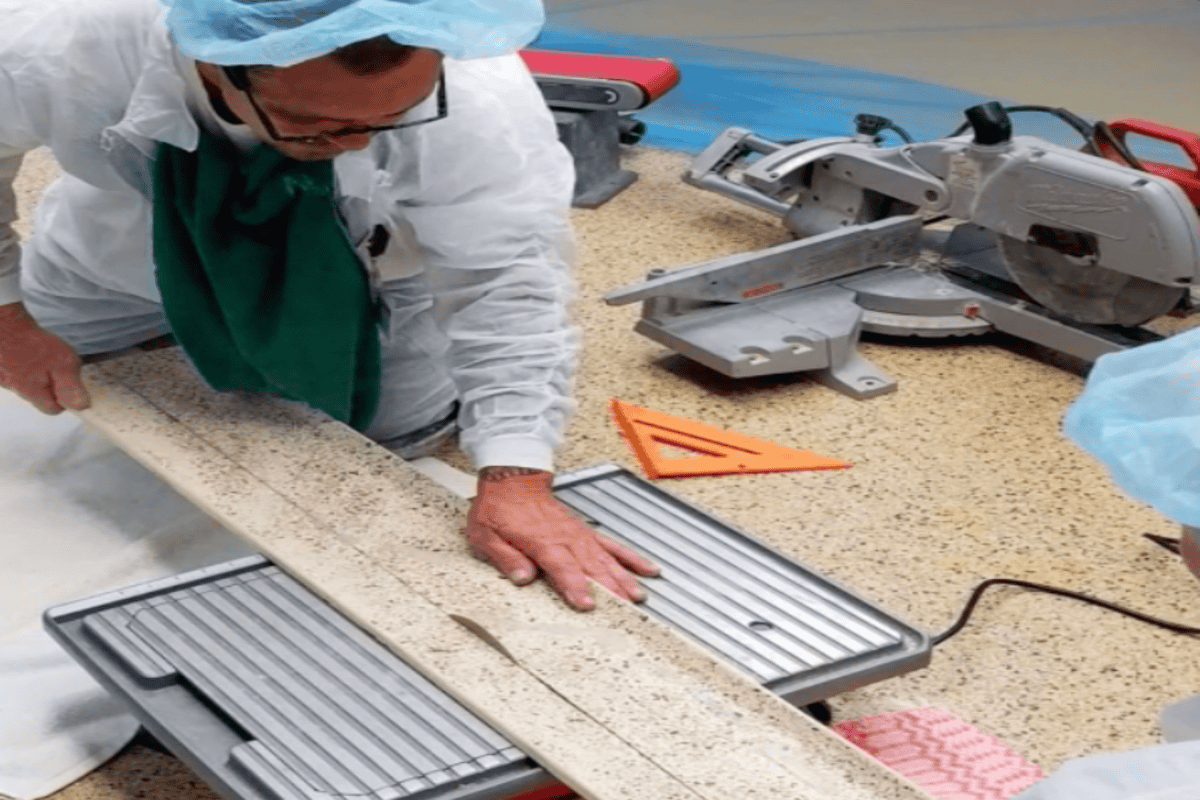
The Forensic Floor: What Terrazzo Damage Can Reveal About a Building’s Past
Terrazzo is more than a flooring material. In many older buildings, it acts like a record of everything the property has experienced over the years. Foot traffic, moisture, movement, poor cleaning, repairs, renovations, and hidden substrate issues can all leave visible clues on the surface.
This is why terrazzo repair should not be treated as a simple cosmetic task. A crack may reveal structural movement. A dull patch may show years of chemical damage. A raised terrazzo divider strip may point to stress below the surface. A stain may tell a story about a past leak, old adhesive, or long-term maintenance neglect.
For property owners, facility managers, and restoration teams, reading the floor properly can make a major difference. Instead of rushing into replacement, a professional can assess what the floor is showing and decide if terrazzo restoration can bring it back to life. TerCon Systems provides terrazzo grinding and polishing, crack and substrate repair, mechanical pinning, hollow plane injection, and precision patching services for terrazzo, stone, and concrete surfaces.
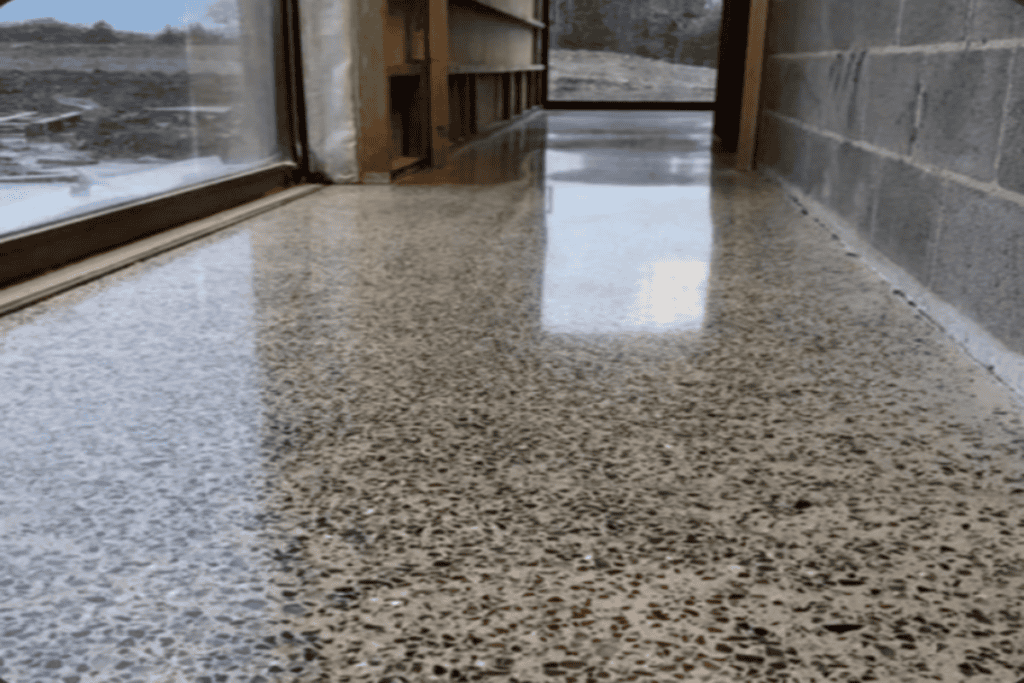
Terrazzo Floors Are Building Records
Every terrazzo floor has a history. Some were installed decades ago in schools, hospitals, hotels, government buildings, retail spaces, and public facilities. Over time, they carry the marks of daily use.
Heavy foot traffic can wear away the original shine. Old cleaning chemicals can leave the surface cloudy. Previous flooring materials may leave adhesive stains. Water exposure can create discolouration. Structural movement can form cracks. Poor patching can create mismatched areas that stand out from the original design.
This is why the cost of terrazzo floors should be viewed beyond installation alone. The true Cost for terrazzo flooring includes long-term maintenance, restoration, repair, and preservation. A floor may look tired, but that does not always mean it needs to be removed.
In many cases, restoring terrazzo floors can protect the original material while improving safety, appearance, and durability.
What Cracks Reveal About the Building
Cracks are one of the clearest warning signs in terrazzo. Some are minor surface cracks, while others suggest deeper issues. A straight crack may follow movement in the concrete substrate. A crack near a doorway, column, or expansion area may show stress from the building’s structure.
This is why terrazzo floor repairs should begin with assessment. If the cause is ignored, the crack may return even after patching. A professional Terrazzo floor repair company will look beyond the surface and identify what caused the damage.
Some cracks can be repaired through filling, colour matching, grinding, and polishing. Others may require more advanced repair methods if the floor has separated from the substrate. The goal is not only to hide the crack. The goal is to restore terrazzo in a way that supports the floor long-term.
Why Dull Terrazzo Is Not Always Just Dirty
A dull floor is often mistaken for a cleaning issue. Property owners may try stronger chemicals, waxes, or basic buffing. However, dull terrazzo can mean the surface has been damaged by years of abrasion or improper cleaning.
Small particles of dirt and grit can scratch the surface under daily foot traffic. Harsh cleaners can break down the finish. Old sealers may yellow or trap dirt. Over time, the floor loses its reflective quality.
A simple terrazzo polish may help lightly worn surfaces, but more serious damage may require grinding terrazzo first. Terrazzo grinding removes the damaged top layer and prepares the floor for honing and polishing.
Without this step, polishing may only create a temporary shine over a damaged surface.
The Secret Story of Old Coatings and Adhesives
Many terrazzo floors have been covered in the past with carpet, vinyl, tile, or other flooring systems. When these coverings are removed, old adhesives, ghost stains, and surface damage may remain.
This is where terrazzo restoration becomes more complex. The floor may need grinding, cleaning, patching, and careful polishing before it can look consistent again.
Terrazzo grinding can remove many surface-level contaminants, but the process must be controlled. Removing too much material can damage the original floor. Removing too little can leave stains and adhesive marks behind.
A professional restoration approach helps reveal the original terrazzo without destroying its character.
Why Divider Strips Matter More Than People Think
A terrazzo divider strip is not just a decorative line. It separates sections of the floor and often supports the original layout. In older floors, divider strips may also show how the floor was designed and installed.
When a terrazzo divider strip becomes raised, bent, loose, or damaged, it can reveal movement beneath the floor. It can also create a trip hazard and make the floor look neglected.
During terrazzo flooring restoration, divider strips should be inspected carefully. If they are damaged, they may need realignment, repair, or replacement before polishing terrazzo floor surfaces.
Ignoring divider strips can lead to poor restoration results because the floor may continue to move or crack around the damaged area.
Grinding Terrazzo as a Discovery Process
Grinding terrazzo is often seen as a technical step, but it can also be a discovery process. Once the worn surface is removed, the true condition of the floor becomes clearer.
Terrazzo grinding can reveal old repairs, hidden stains, aggregate condition, surface depth, cracks, and uneven areas. It helps determine how much restoration the floor really needs.
This process is especially useful in older buildings where the floor has been covered, neglected, or maintained with the wrong products. Instead of guessing, grinding helps expose what is actually there.
After grinding, the floor can be honed and refined before polishing terrazzo floors. The final result depends heavily on how well the preparation is done.
Buffing Terrazzo Floors Has Limits
Buffing terrazzo floors can improve light wear and refresh a surface that is already in good condition. It is useful for maintenance, especially when polished terrazzo floors only need a minor lift.
However, buffing is not a full repair solution. It cannot fix deep cracks, uneven surfaces, damaged divider strips, heavy stains, or poor previous repairs. If a floor has serious wear, buffing may only hide the problem for a short time.
Full terrazzo flooring polishing usually requires a more detailed process. This may include cleaning, patching, grinding, honing, polishing, and sealing.
Knowing the difference between buffing and restoration prevents wasted money and helps property owners choose the right service.
How Terrazzo Floor Price Depends on the Floor’s Story
There is no single terrazzo floor price that applies to every project. The cost depends on what the floor has been through.
A lightly worn floor may only need buffing or polishing. A cracked floor may need repair before polishing. A stained floor may need deeper grinding. A floor with loose sections may need substrate repair. A floor with damaged divider strips may need more detailed restoration.
This is why the cost of terrazzo floors can vary widely. The visible surface only tells part of the story. The hidden condition beneath the surface often determines the real scope of work.
A professional inspection helps identify the correct approach before money is spent on the wrong solution.
Why Restoration Can Preserve Character
One of the best reasons to restore terrazzo is that older floors often contain unique materials and patterns. Some include marble chips, glass, custom colours, or divider strip layouts that are hard to recreate today.
Replacing the floor may remove that character permanently. Restoring terrazzo floor surfaces allows the building to keep its original identity while improving the condition of the floor.
This is especially valuable in historic buildings, schools, public spaces, hotels, and commercial properties where the floor contributes to the building’s appearance.
A well-restored terrazzo floor can feel both historic and modern. It keeps the story of the building while making the space look clean and professional again.
The Role of Professional Terrazzo Repair
DIY repair may seem tempting, but terrazzo is difficult to match and finish correctly. Poor patching can stand out. Incorrect polishing can leave an uneven shine. Harsh chemicals can damage the surface. Improper grinding can remove too much material.
A professional Terrazzo floor repair company understands how to assess the floor, repair damaged sections, and finish the surface correctly. This includes matching materials, repairing cracks, addressing substrate concerns, and choosing the right Polish for terrazzo floor surfaces.
Professional polishing terrazzo floor services focus on long-term results, not just temporary shine.
FAQ Section
Q: Why should old terrazzo floors be inspected before replacement?
A: Old terrazzo floors may still have strong material beneath the worn surface, and inspection helps determine if terrazzo restoration is possible.
Q: What does terrazzo grinding reveal?
A: Terrazzo grinding can reveal hidden stains, old repairs, surface damage, cracks, and the true condition of the floor beneath worn coatings.
Q: Can terrazzo repair preserve the original floor design?
A: Yes, terrazzo repair can help preserve original patterns, aggregates, colours, and divider strip layouts when handled properly.
Q: Is buffing terrazzo floors enough for heavily damaged surfaces?
A: No, buffing terrazzo floors is mainly for light maintenance and cannot fix deep cracks, stains, uneven areas, or damaged divider strips.
Q: How does terrazzo restoration affect long-term value?
A: Terrazzo restoration can extend the life of the existing floor, reduce replacement needs, and preserve the original character of the building.
Q: What affects terrazzo floor price?
A: Terrazzo floor price depends on the size of the area, surface condition, crack repairs, grinding needs, polish level, and divider strip repairs.
Q: When is polishing terrazzo floors recommended?
A: Polishing terrazzo floors is recommended after the surface has been properly cleaned, repaired, ground, or honed, depending on the floor’s condition.
Q: Should I hire a Terrazzo floor repair company?
A: Yes, a professional Terrazzo floor repair company can assess damage, restore terrazzo correctly, and help prevent future repair issues.
Conclusion
Terrazzo floors are not just surfaces. They are records of a building’s use, maintenance, movement, and history. Cracks, dullness, stains, damaged divider strips, and uneven areas all tell a story about what the floor has experienced.
Instead of replacing terrazzo too quickly, property owners should consider what the floor is trying to reveal. With the right terrazzo repair, grinding, polishing, and full restoration, many floors can be renewed while preserving their original character.
Understanding terrazzo floor costs, terrazzo floor prices, and the cost of terrazzo flooring means looking beyond the surface. Sometimes, the most valuable floor is not the newest one. It is the one already there, waiting to be properly restored.