

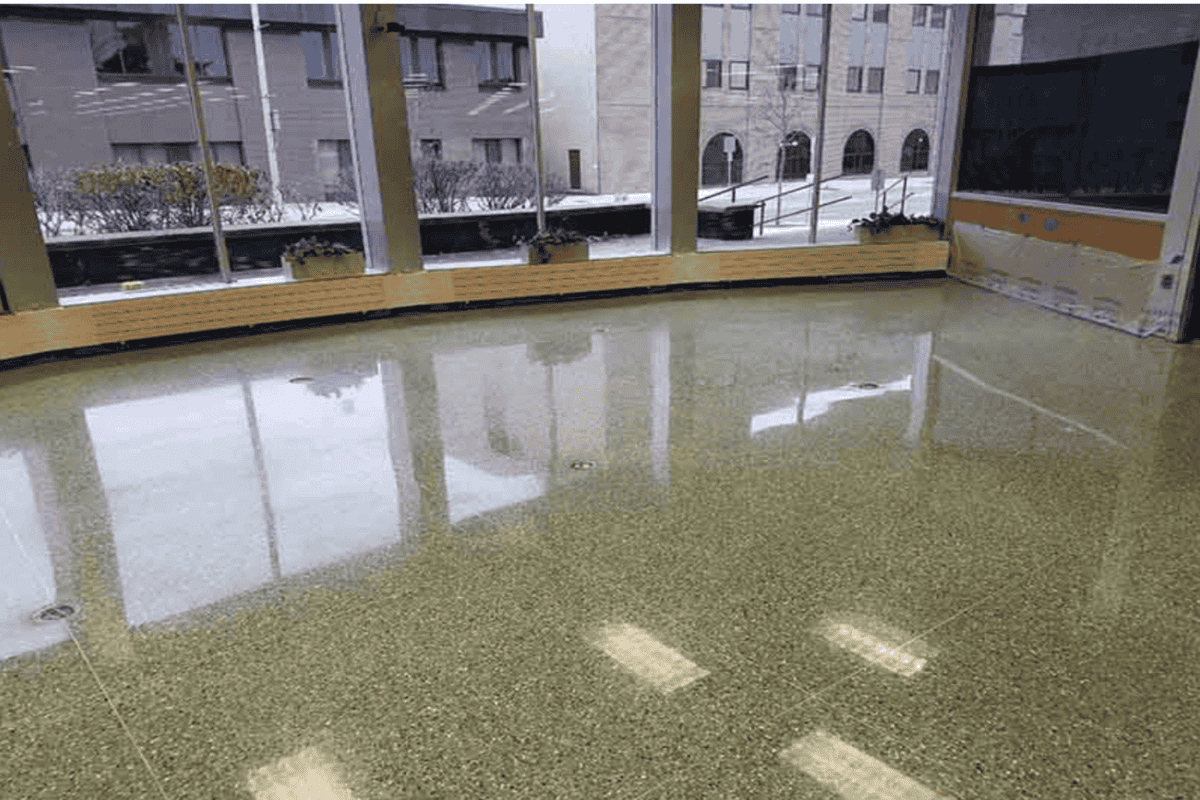
The Quiet Cost of Neglected Terrazzo: How Small Floor Problems Become Expensive Building Issues
Terrazzo flooring is often chosen because it is strong, long-lasting, and visually impressive. It can handle years of use in commercial buildings, schools, hospitals, hotels, offices, shopping centres, and public spaces. However, one common mistake is assuming that terrazzo can take care of itself forever.
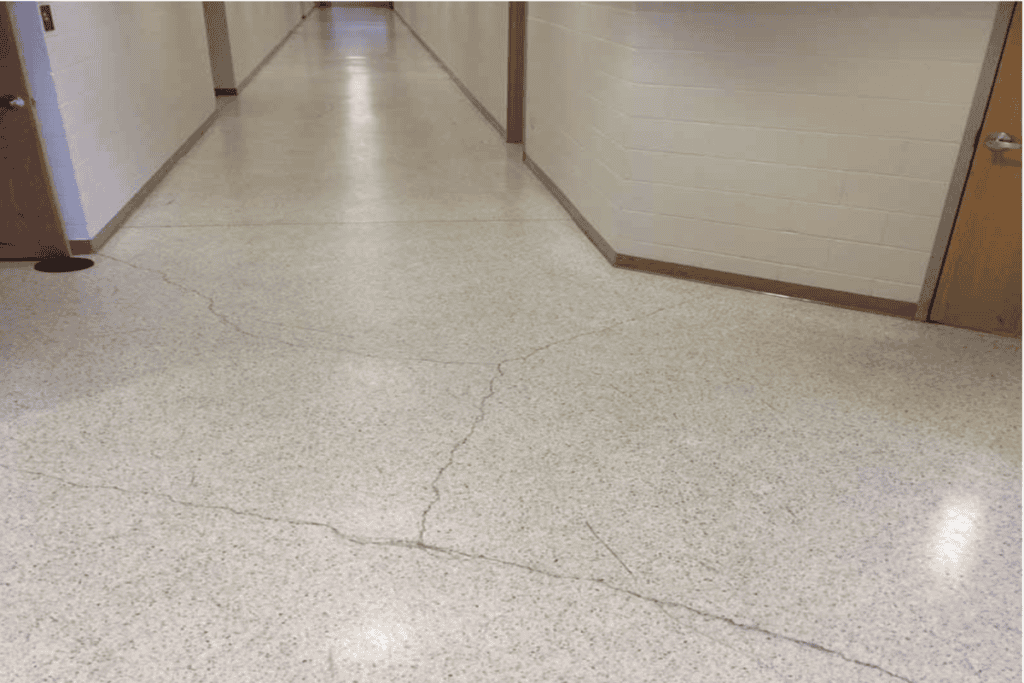
A terrazzo floor may look solid, but small problems can slowly grow beneath the surface. A dull finish may begin as light wear. A small crack may widen over time. A loose terrazzo divider strip may become a trip hazard. Stains may settle deeper into the surface. Before long, what could have been a simple terrazzo repair may become a much larger restoration project.
This is why understanding terrazzo floors’ cost is not only about installation or replacement. The real cost is often connected to timing. The longer a damaged terrazzo floor is ignored, the more expensive and complicated the repair can become.
Why Terrazzo Problems Start Small
Most terrazzo damage does not happen overnight. It usually develops slowly through daily use. Foot traffic brings dust, sand, and grit onto the floor. These small particles act like sandpaper, gradually scratching the polished surface. Cleaning products that are too harsh can also weaken the finish and leave the floor looking cloudy.
In high-traffic areas, wear often appears near entrances, corridors, lift areas, reception spaces, and walkways. These sections may lose shine faster than the rest of the floor. At first, property owners may think a simple clean or terrazzo polish will fix the issue.
Sometimes, that is enough. However, when the damage has gone deeper, the floor may need terrazzo grinding, honing, and polishing to restore the surface properly.
Small problems become expensive when they are treated too late or treated with the wrong method.
The Real Meaning of Terrazzo Floors Cost
When people ask about terrazzo floors’ cost, they often want a simple price. However, terrazzo pricing depends on more than the floor area. The condition of the floor plays a major role.
A floor that only needs buffing, such as terrazzo floors, may cost less to refresh. A floor with cracks, stains, uneven areas, and damaged divider strips will usually need more work. A badly neglected floor may require terrazzo floor repairs, grinding terrazzo, patching, polishing, and sealing.
This is why the Cost for terrazzo flooring should be viewed as a long-term investment. A well-maintained floor can last for decades. A neglected floor may need costly restoration much sooner.
The terrazzo floor price also depends on the finish required. A basic clean and polish will not cost the same as full terrazzo flooring restoration. The more damage present, the more detailed the process becomes.
Why Delaying Terrazzo Repair Can Cost More
Terrazzo repair is often easier and more affordable when handled early. A small crack can usually be assessed, filled, blended, and polished before it spreads. A dull area can often be restored before deeper scratches develop. A minor chip can be repaired before nearby material begins to loosen.
When these problems are ignored, damage can spread. Cracks can widen. Moisture can enter the floor. Dirt can collect in open gaps. Loose sections can become unstable. This may increase the amount of grinding, patching, and restoration needed later.
In commercial spaces, delays can also create safety risks. Uneven areas, damaged divider strips, and cracked sections may increase the chance of trips or slips. This can lead to complaints, liability concerns, or urgent repair costs.
Timely terrazzo repair is not just about appearance. It protects the floor, the building, and the people using the space.
Grinding Terrazzo Before Damage Gets Worse
Grinding terrazzo is one of the most important steps in deeper restoration. It removes worn surface layers, scratches, stains, old coatings, and uneven areas. It prepares the floor for honing and polishing.
Terrazzo grinding is often needed when the floor has gone beyond light dullness. If the surface has deep scratches, chemical damage, old sealers, or stubborn stains, polishing alone may not be enough.
However, grinding should be done before the floor becomes severely damaged. When the surface is treated early, less material may need to be removed. If the floor is badly worn, more aggressive grinding may be required.
Professional grinding of terrazzo requires skill because the goal is to restore the surface without removing unnecessary material. A good restoration process balances correction with preservation.
The Difference Between Buffing and Restoration
Buffing terrazzo floors is useful for routine maintenance. It can bring back shine, remove light marks, and improve the appearance of polished terrazzo floors. It is usually suitable when the floor is still in good condition.
However, buffing is not a replacement for terrazzo restoration. If the floor has cracks, chips, deep stains, uneven sections, or damaged divider strips, buffing will not solve the problem. It may make the surface look better temporarily, but the underlying damage will remain.
Terrazzo restoration is more complete. It may include inspection, cleaning, terrazzo repair, terrazzo grinding, honing, polishing, and sealing. This process is designed to correct damage and improve long-term performance.
Choosing buffing when restoration is needed can waste money. Choosing restoration too late can increase costs. The key is knowing what the floor truly needs.
Why Polishing Terrazzo Floors Requires Proper Preparation
Polishing terrazzo floors is not just about making the surface shiny. A good polish should improve the finish, facilitate cleaning, and enhance the natural aggregates in the terrazzo.
If the surface has not been prepared properly, polishing can highlight defects. Scratches may still show. Stains may remain visible. Uneven patches may reflect light differently. Old coatings may create an inconsistent finish.
This is why polishing terrazzo floor surfaces should usually follow the correct preparation steps. Depending on the condition, the floor may need cleaning, patching, grinding, and honing before the final polish.
The right Polish for terrazzo floor surfaces should suit the material and the floor’s condition. Cheap coatings may create a temporary shine, but they often wear unevenly and may need frequent reapplication.
Professional terrazzo flooring polishing focuses on the surface itself, not just a short-term coating.
The Hidden Cost of Damaged Divider Strips
A terrazzo divider strip may look like a small detail, but it plays an important role in the floor. Divider strips separate sections, help form patterns, and support the original layout of the terrazzo system.
When a divider strip becomes loose, raised, bent, or damaged, it can affect both appearance and safety. It may catch shoes, collect dirt, or allow nearby terrazzo sections to crack.
Ignoring a damaged terrazzo divider strip can make restoration more complicated later. During terrazzo flooring restoration, divider strips should be inspected and repaired where needed. This helps create a cleaner, safer, and more stable finish.
Small metal details can have a big impact on the success of the whole floor.
When Terrazzo Restoration Saves the Floor
Terrazzo restoration can often save a floor that looks tired, old, or damaged. This is especially valuable in buildings where the original terrazzo has character or historical value.
Restoring terrazzo floors can remove surface wear, repair damaged areas, restore shine, and improve safety. It can also prevent the need for full replacement, which is usually more disruptive and expensive.
Restoration is especially useful when the floor is structurally sound but visually worn. Instead of removing the existing terrazzo, professionals can restore terrazzo by working with the original material.
This approach helps preserve the floor’s design while improving its condition.
Why Professional Help Matters
Terrazzo is not the easiest flooring material to repair. It requires proper tools, matching materials, and experience. DIY repairs can leave obvious patches, uneven shine, or surface damage.
A professional Terrazzo floor repair company can inspect the floor and recommend the right solution. This may include minor terrazzo repair, full terrazzo restoration, polishing, grinding, or divider strip repair.
Professionals can also identify when the problem is more than surface damage. For example, recurring cracks may point to movement below the floor. Stains may be connected to moisture. Uneven sections may suggest deeper substrate concerns.
A proper assessment helps avoid repeated repairs and wasted money.
FAQ Section
Q: Why does neglected terrazzo become expensive to repair?
A: Small issues such as cracks, dullness, stains, and loose divider strips can worsen over time, making terrazzo repair more detailed and costly.
Q: Is terrazzo polish enough for a dull floor?
A: Terrazzo polish may help light dullness, but deeper scratches, stains, or worn coatings may require terrazzo grinding and restoration.
Q: When is grinding terrazzo needed?
A: Grinding terrazzo is needed when the floor has deep scratches, old coatings, stains, uneven areas, or surface damage that polishing alone cannot fix.
Q: Can buffing terrazzo floors prevent major repairs?
A: Buffing terrazzo floors can help maintain a floor in good condition, but it cannot fix cracks, chips, damaged divider strips, or deeper wear.
Q: What affects terrazzo floor price?
A: Terrazzo floor price depends on the floor size, condition, repair needs, grinding requirements, polish level, and whether divider strips need work.
Q: Why should terrazzo floor repairs be done early?
A: Early terrazzo floor repairs help stop cracks, chips, and surface wear from spreading and becoming more expensive to restore.
Q: Can terrazzo restoration avoid replacement?
A: Yes, terrazzo restoration can often restore terrazzo floors without full replacement if the existing floor is still structurally sound.
Q: Should I hire a Terrazzo floor repair company?
A: Yes, a professional Terrazzo floor repair company can assess the damage, choose the right repair method, and restore the floor correctly.
Conclusion
Neglected terrazzo can become expensive, not because the material is weak, but because small issues are often ignored for too long. Dullness, cracks, stains, uneven areas, and damaged divider strips may seem minor at first, but they can lead to larger repair needs over time.
By investing in timely terrazzo repair, terrazzo grinding, polishing, and full terrazzo restoration when needed, property owners can protect the floor’s appearance, safety, and long-term value.
Understanding terrazzo floors cost, terrazzo floor price, and the Cost for terrazzo flooring means looking beyond the first repair quote. The smartest approach is usually early action, proper maintenance, and professional restoration before the damage becomes harder to fix.
A terrazzo floor can last for decades, but only when it receives the care it deserves.