

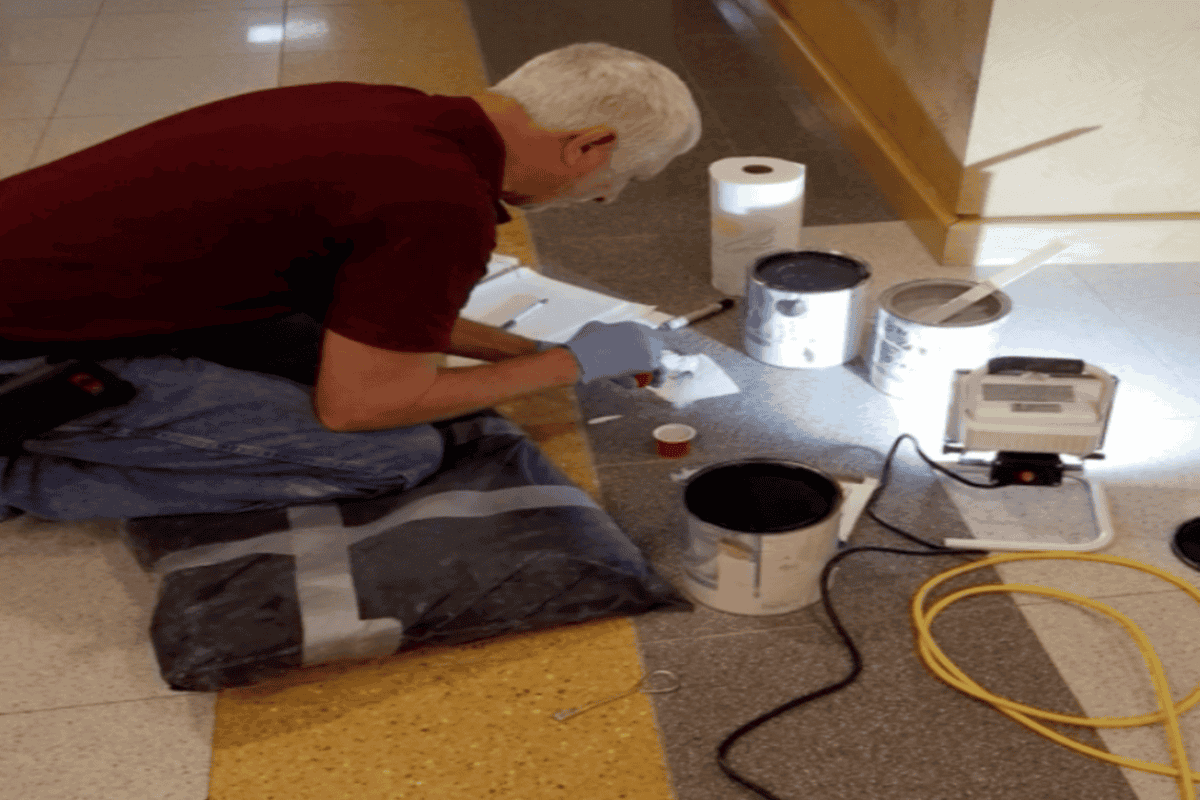
When Terrazzo Becomes a Safety Risk: What Your Floor Reveals Before an Accident Happens
Terrazzo is often seen as a beautiful and long-lasting flooring option, but in commercial buildings, schools, hospitals, hotels, offices, and public spaces, it also plays an important role in safety. A floor that looks dull, cracked, uneven, or poorly polished may not only affect appearance. It may also create hazards that lead to slips, trips, damage claims, or expensive repairs.
This is why terrazzo repair should never be treated as a cosmetic task only. In many buildings, terrazzo problems are warning signs. Cracks may show movement beneath the floor. Uneven areas may increase trip risk. A damaged terrazzo divider strip may become a hazard. Poor polishing can create a surface that looks attractive but performs poorly under daily foot traffic.
For property owners and facility managers, understanding how terrazzo floors affect safety can help protect people, reduce liability concerns, and extend the life of the flooring system.
Terrazzo Is Durable, But Not Risk-Free
Terrazzo is known for strength and long-term value. When installed and maintained correctly, it can last for decades. However, even durable floors can become unsafe when ignored.
Daily foot traffic, cleaning chemicals, water exposure, heavy equipment, old coatings, and surface wear can slowly change the condition of the floor. Small problems can become bigger over time. A minor crack can widen. A dull surface can become harder to clean. A loose section can turn into a trip hazard.
This is why the cost of terrazzo floors should not only be viewed as the price of installation. The true Cost for terrazzo flooring includes long-term maintenance, terrazzo restoration, and timely terrazzo floor repairs.
A cheaper short-term approach may seem practical, but it can lead to higher repair costs and safety issues later.
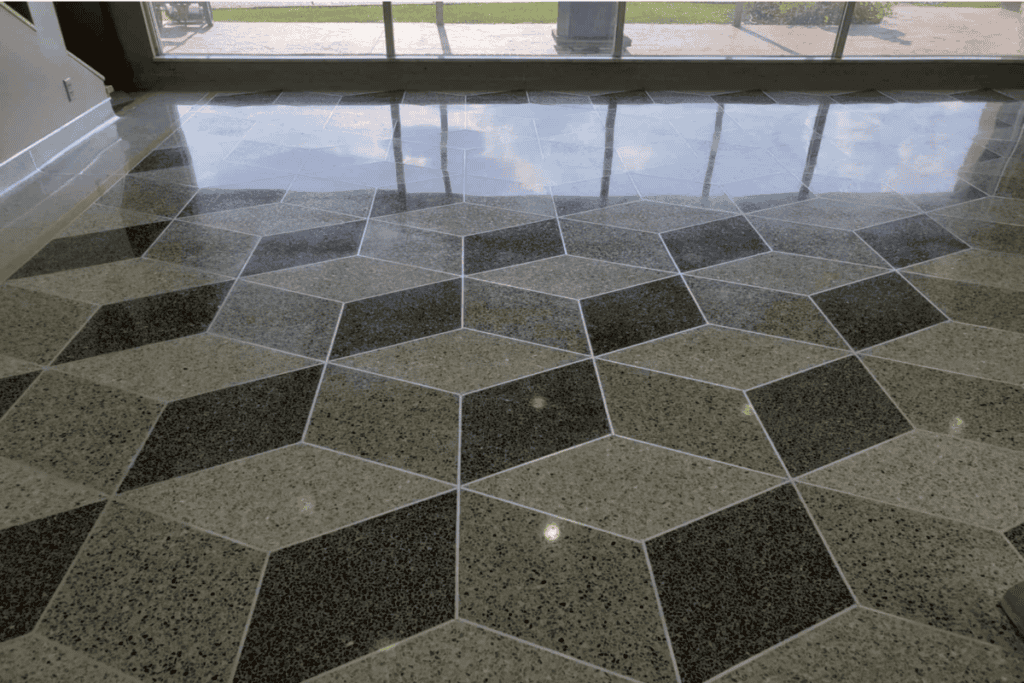
Why Cracks Should Never Be Ignored
Cracks are one of the most common reasons property owners look for terrazzo repair. Some cracks may look small, but they can still create safety concerns.
A crack can collect dirt, moisture, or cleaning residue. Over time, the edges may become uneven. In areas with high foot traffic, this can increase the chance of trips. In commercial spaces, even a small floor defect can become a liability issue if someone gets hurt.
Cracks may also reveal deeper movement beneath the surface. If the floor or substrate is shifting, a simple patch may not solve the issue. This is where a professional Terrazzo floor repair company becomes important. The repair should not only cover the crack. It should identify why the crack appeared and how to prevent it from returning.
Restoring terrazzo floors properly means treating both the visible damage and the possible cause underneath.
How Terrazzo Grinding Improves Safety
Grinding terrazzo is one of the most important steps in restoring worn or uneven floors. Terrazzo grinding removes damaged surface layers, old coatings, scratches, stains, and uneven areas. It helps create a smoother and more consistent surface before honing and polishing.
This is especially important in areas where the floor has become rough in some spots and slippery in others. Uneven finishes can make the floor unpredictable. Some sections may grip well, while others may become slick when wet.
Professional terrazzo grinding helps correct these inconsistencies. It can level small surface defects and prepare the floor for a safer, more reliable finish.
However, grinding terrazzo must be done carefully. Too much grinding can remove unnecessary material. Too little grinding may leave hazards behind. A skilled restoration team will assess the floor before deciding how much grinding is needed.
Polished Terrazzo Floors and Slip Risk
Polished terrazzo floors can look clean, professional, and high-end. However, polishing must be done correctly. A good terrazzo polish should enhance the surface without creating an unsafe walking condition.
Improper polishing, low-quality coatings, or the wrong Polish for terrazzo floor surfaces may increase slip risk, especially in wet areas. Some products create a temporary shine but do not improve the actual terrazzo surface. These coatings may wear unevenly, trap dirt, or become slick.
Polishing terrazzo floors should involve proper preparation, mechanical refinement, and suitable finishing methods. The goal is not just to shine. The goal is a durable, clean, and safe walking surface.
For commercial spaces, terrazzo flooring polishing should always consider both appearance and performance.
Buffing Terrazzo Floors vs Full Restoration
Buffing terrazzo floors is often used for regular maintenance. It can refresh the finish, remove light marks, and improve the appearance of polished terrazzo floors. For floors in good condition, buffing may be enough.
However, buffing cannot fix deeper issues. It will not repair cracks, correct uneven surfaces, remove deep stains, or fix damaged divider strips. If the floor already has safety concerns, buffing may only hide the problem temporarily.
Full terrazzo restoration is more complete. It may include cleaning, terrazzo floor repairs, grinding, honing, polishing, sealing, and detailing. This process is better suited for floors with visible damage, long-term wear, or uneven areas.
Knowing the difference between buffing and restoration helps property owners avoid spending money on the wrong solution.
The Hidden Risk of Damaged Divider Strips
A terrazzo divider strip is not only a design detail. It helps separate sections of terrazzo and can support the layout of the flooring system. In older buildings, divider strips may also reveal how the floor was originally installed.
When a terrazzo divider strip becomes loose, bent, raised, or damaged, it can create a safety issue. People may trip over raised edges. Dirt and moisture may collect around the strip. Nearby terrazzo sections may also begin to crack or separate.
During terrazzo flooring restoration, divider strips should always be inspected. If they are damaged, they may need repair or replacement before polishing terrazzo floor surfaces. Ignoring them can affect both safety and appearance.
Terrazzo Floors Cost Less When Problems Are Fixed Early
Many property owners delay repairs because they are worried about the cost of terrazzo floor repairs. However, waiting often makes the problem more expensive.
A small crack is easier to repair than a large damaged section. A lightly worn floor may only need buffing or polishing. A neglected floor may require grinding, patching, restoration, or more detailed repair work.
When looking at the cost of terrazzo floors, it is important to think long-term. Preventive maintenance usually costs less than emergency repair. Regular inspections can also help identify hazards before they cause accidents.
This is especially important in commercial buildings where flooring conditions can affect customer safety, staff safety, and business reputation.
Why Professional Assessment Matters
DIY repairs may seem simple, but repairing terrazzo is difficult. Poor patching can stand out. Incorrect grinding can create low spots. Bad polishing can leave swirl marks or slippery sections. Harsh chemicals can damage the surface.
A professional Terrazzo floor repair company can inspect the floor properly and recommend the right solution. This may include terrazzo repair, terrazzo restoration, terrazzo grinding, polishing, or maintenance planning.
Professional restoration is not only about improving appearance. It is also about making sure the floor is safer, more stable, and suitable for long-term use.
FAQ Section
Q: Are polished terrazzo floors slippery?
A: When properly maintained, polished terrazzo floors can be safe, but improper polishing, poor sealers, or wet surfaces may increase slip risk.
Q: How does terrazzo grinding improve safety?
A: It levels uneven surfaces, removes worn coatings, and corrects defects that can cause trips, slips, or unstable footing.
Q: When should cracks in terrazzo be repaired?
A: Immediately, as they can expand, collect moisture or dirt, and create safety hazards over time.
Q: Does maintenance reduce liability risks?
A: Yes, regular maintenance helps prevent accidents and supports safer flooring conditions in commercial and public spaces.
Q: Should I hire a terrazzo floor repair company for safety checks?
A: Yes, professionals can assess cracks, uneven areas, damaged divider strips, and worn finishes to ensure your floors meet safety requirements.
Final Thoughts
Terrazzo is strong, attractive, and long-lasting, but it still needs the right care. Cracks, dullness, uneven surfaces, damaged divider strips, and poor polishing can create safety risks if ignored.
The best solution is not always replacement. In many cases, restoring terrazzo floor surfaces can improve safety, appearance, and long-term value. From grinding terrazzo to polishing terrazzo floors, each step should be handled with care and purpose.
For property owners asking about terrazzo floors cost, terrazzo floor price, or the Cost for terrazzo flooring, the better question is this: what will it cost if the floor is left unsafe?
A well-maintained terrazzo floor does more than look good. It helps protect people, reduce risks, and keep the building performing at its best.