

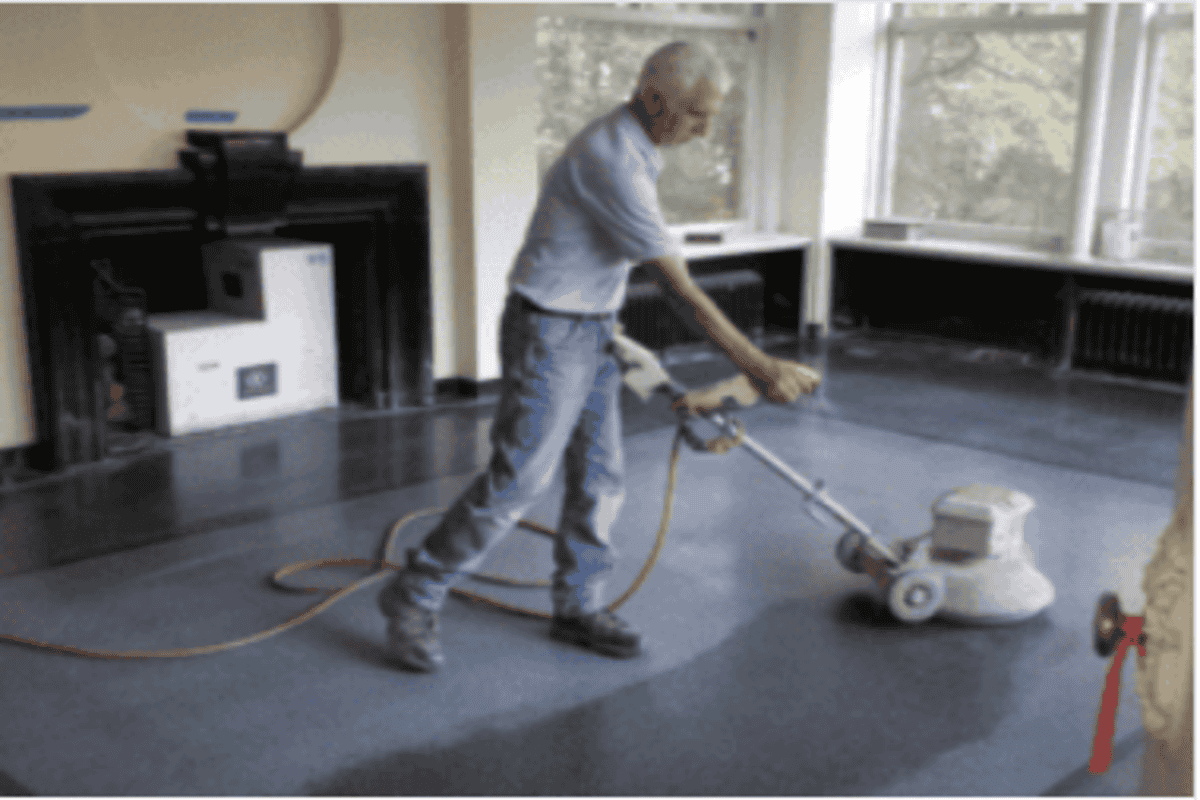
Invisible Terrazzo Repair: How Forensic Color Matching Makes Patches Disappear
Nothing ruins a beautiful terrazzo floor faster than a bad repair. You have probably seen one: a crack or hole filled with grey cement or mismatched material that stands out like a scar against the surrounding stone. The structural problem may be solved, but the floor now looks patched and cheapened.
It does not have to be that way. The best terrazzo floor repairs are the ones you cannot see. Through a process sometimes called forensic colour matching, skilled specialists blend repairs so precisely that they become virtually indistinguishable from the original pour, whether that pour happened in the 1920s or last year. This guide explains how invisible repair works and why it matters so much for the value and appearance of your floor. It is a core part of professional terrazzo restoration services, not an optional extra.
Why Most Terrazzo Repairs Are So Visible
Every Floor Has Its Own Recipe
Terrazzo is not a single, uniform material. It is a composite of stone chips, such as marble, granite, quartz, or glass, set in a pigmented binder and ground smooth. Every floor has its own unique recipe: a specific matrix color, a particular size and mix of aggregate, and a distinct overall tone. A closer look at the anatomy of a terrazzo floor shows how those layers come together.
Common Repair Mistakes
When a repair goes wrong, it is almost always because the person doing it ignored that recipe. Common mistakes include:
- Using plain gray cement or generic filler that bears no resemblance to the surrounding matrix
- Skipping the aggregate entirely, so the patch is a solid color with no chips
- Mismatching the chip size or type, so the texture looks off even when the color is close
- Ignoring the matrix tone, leaving a patch that is too light, too dark, or the wrong hue
The result is a repair that announces itself. Even a small mismatched patch draws the eye and undermines the look of the entire floor. Over time, these poor fixes add up, which is part of the quiet cost of neglected terrazzo.
What Forensic Color Matching Means
Forensic color matching treats your floor like evidence to be analyzed, not just a surface to be filled. Before any patching begins, a specialist studies the unique characteristics of the terrazzo so the repair can be built to match it exactly. It borrows the same mindset as terrazzo forensics, where every detail of the floor tells part of the story.
What the Analysis Looks At
The Matrix Color
The binder that holds the chips together has a specific tone that must be reproduced with custom pigments.
The Aggregate
The type, size, and mineral makeup of the stone chips are identified so matching chips can be sourced.
The Overall Blend
The proportion and distribution of chips across the floor are studied so the patch mirrors the surrounding pattern.
From Analysis to a Matched Repair
Armed with that information, the specialist hand-blends a repair matrix using custom-pigmented binder and genuine matching aggregate. The patch is not an approximation. It is a deliberate recreation of your floor’s own composition, which is why true precision patching can make the repair vanish into the original.
The Invisible Repair Process, Step by Step
Achieving a seamless result is as much about technique as it is about materials. Here is how specialists approach it.
Phase 1: Analysis and Preparation
Step 1: Assessment and Analysis
The specialist inspects the damage and analyzes the surrounding terrazzo, identifying the matrix color, aggregate type, and chip pattern. This is the forensic stage that everything else depends on.
Step 2: Preparing the Damage
Cracks, holes, or spalled areas are cleaned out and prepared so the repair material will bond properly. For structural cracks, this may include terrazzo crack and substrate repair or mechanical pinning to stabilize the substrate first so the repair does not reopen. If the floor sounds hollow, hollow plane pressure injection re-bonds the loose section before any cosmetic work begins.
Phase 2: Building the Repair
Step 3: Blending the Matrix
The specialist mixes a custom repair matrix, pigmenting the binder to match the floor’s tone and adding graded aggregate that matches the original chips in size and mineral type.
Step 4: Placing the Repair
The blended material is packed into the prepared area and allowed to cure. Because it is built from matching components, it already resembles the surrounding floor before finishing even begins.
Phase 3: Finishing
Step 5: Grinding and Polishing
Grinding Flush
The repaired area is ground flush with the surrounding surface. Grinding the terrazzo and the new patch together is what creates a single, continuous plane with no ridge or seam. This is one of the benefits of professional terrazzo grinding services.
Honing and Polishing
The area is then honed and polished through professional terrazzo grinding and polishing. After polishing, the repair reflects light exactly like the rest of the floor, completing the illusion that nothing was ever damaged. High-performance stone hardening can then densify the surface so the finish holds up under traffic. For a deeper look at this stage, see how terrazzo polishing and grinding bring old floors back to life.
Divider Strips and Other Details
Matching Divider Strips
Invisible repair is not only about filling cracks and holes. It extends to every visible element of the floor, including the metal lines that run through it. A damaged or missing terrazzo divider strip must be matched in material and profile, set correctly, and ground flush, or it will stand out just as badly as a mismatched patch. For a closer look at how these metal lines are handled, TerCon’s guide on terrazzo divider strips covers the topic in depth.
Borders, Patterns, and Design Fields
The same attention applies to borders, patterns, and design fields. Preserving the original layout is essential, especially in historic and architectural floors where the design carries real significance. It is also why some 100-year-old terrazzo floors still look better than new flooring. Where terrazzo meets other surfaces, the same matching discipline applies to marble, travertine, and natural stone restoration.
Why Invisible Repair Protects Your Investment
A seamless repair is not just about aesthetics. It directly affects the value and longevity of your floor.
Four Ways a Matched Repair Pays Off
- It preserves appearance. A floor with invisible repairs looks cared for and intact, which matters in lobbies, retail spaces, and historic buildings.
- It protects property value. Visible scars suggest neglect and damage, while a flawless floor signals quality.
- It honors original material. In older buildings, a matched repair keeps the authentic terrazzo intact rather than replacing character with a patchwork.
- It avoids replacement. Because the repair blends in, there is no cosmetic reason to tear out and redo the floor, so you restore terrazzo instead of replacing it.
This is the difference between a repair that merely holds and one that genuinely restores. The structural fix keeps the floor sound, and the color matching keeps it beautiful. It is also why so many owners treat their floors as a long-term asset worth restoring and why terrazzo repair without replacement is usually the smarter choice. The terrazzo floors cost breakdown shows how the numbers compare.
Choosing a Specialist Who Can Deliver It
What to Ask Before You Hire
Not every contractor can produce an invisible repair. It requires the eye, the materials, and the experience to analyze a floor and recreate its composition. When evaluating a terrazzo floor repair company, ask how they handle color and aggregate matching, request before-and-after photos of blended repairs, and look for experience with floors similar to yours. This guide on how to choose a terrazzo floor repair company covers what else to look for, and this overview of terrazzo floor restoration before and after shows what a strong result looks like.
Nationwide Coverage With Regional Crews
TerCon Systems has built its reputation on this kind of seamless, engineering-led restoration, matching repairs so closely that they disappear into the original surface. The TerCon Systems team performs crack and substrate repair and precision patching nationwide, with crews serving Florida, Illinois, Indiana, Michigan, New Jersey, New York, North Carolina, Ohio, Pennsylvania, and Wisconsin. The full list of service locations shows where regional coverage is available.
Frequently Asked Questions
How Invisible Repair Works
Can terrazzo repairs really be made invisible?
Yes. Through forensic color matching, specialists analyze the floor’s matrix color and aggregate, hand-blend a matching repair, and then grind and polish it flush. Done well, terrazzo floor repairs become virtually indistinguishable from the original pour.
Why do so many terrazzo patches look bad?
Because they ignore the floor’s unique recipe. Using plain cement or generic filler, skipping the stone chips, or mismatching the matrix color all leave a visible scar. Matching the color, chip size, and pattern is what makes a repair disappear.
Older Floors and Special Details
Does invisible repair work on very old floors?
Yes. In fact, it is especially valuable on historic terrazzo, where the original material cannot be duplicated. Matching the existing composition lets you restore terrazzo while preserving its authentic character. As the hidden life of terrazzo explains, old floors often deserve restoration before replacement.
Are divider strips part of invisible repair?
They are. A damaged terrazzo divider strip must be matched in material and profile, set correctly, and ground flush, or it will stand out. Seamless restoration covers every visible element of the floor, not just cracks and holes.
Hiring and Aftercare
How do I find a company that can do this well?
Ask how they handle color and aggregate matching, request before-and-after photos of blended repairs, and check their experience with floors like yours. A specialist terrazzo floor repair company should be able to show seamless results. More answers are available on the terrazzo restoration FAQ page.
How do I keep a repaired floor looking its best?
Routine care keeps the repair and the surrounding floor consistent. These tips on how to keep restored terrazzo floors looking new cover daily cleaning, and the smart way to maintain terrazzo floors long-term explains how to prevent costly repairs.
Final Thoughts
A repair should solve a problem, not create a new one. When terrazzo is patched carelessly, the floor trades a crack for a scar. When it is repaired by a specialist who matches the matrix, the aggregate, and the pattern, the damage simply disappears, and the floor looks as though it was never touched.
That is the standard worth insisting on. If your terrazzo has cracks, holes, or old repairs that never matched, request a free quote from TerCon Systems and see what truly invisible restoration looks like. You can also contact TerCon Systems directly or browse the TerCon Systems blog for more guidance on caring for terrazzo.